Municipal Park Disc Golf Signage That Works
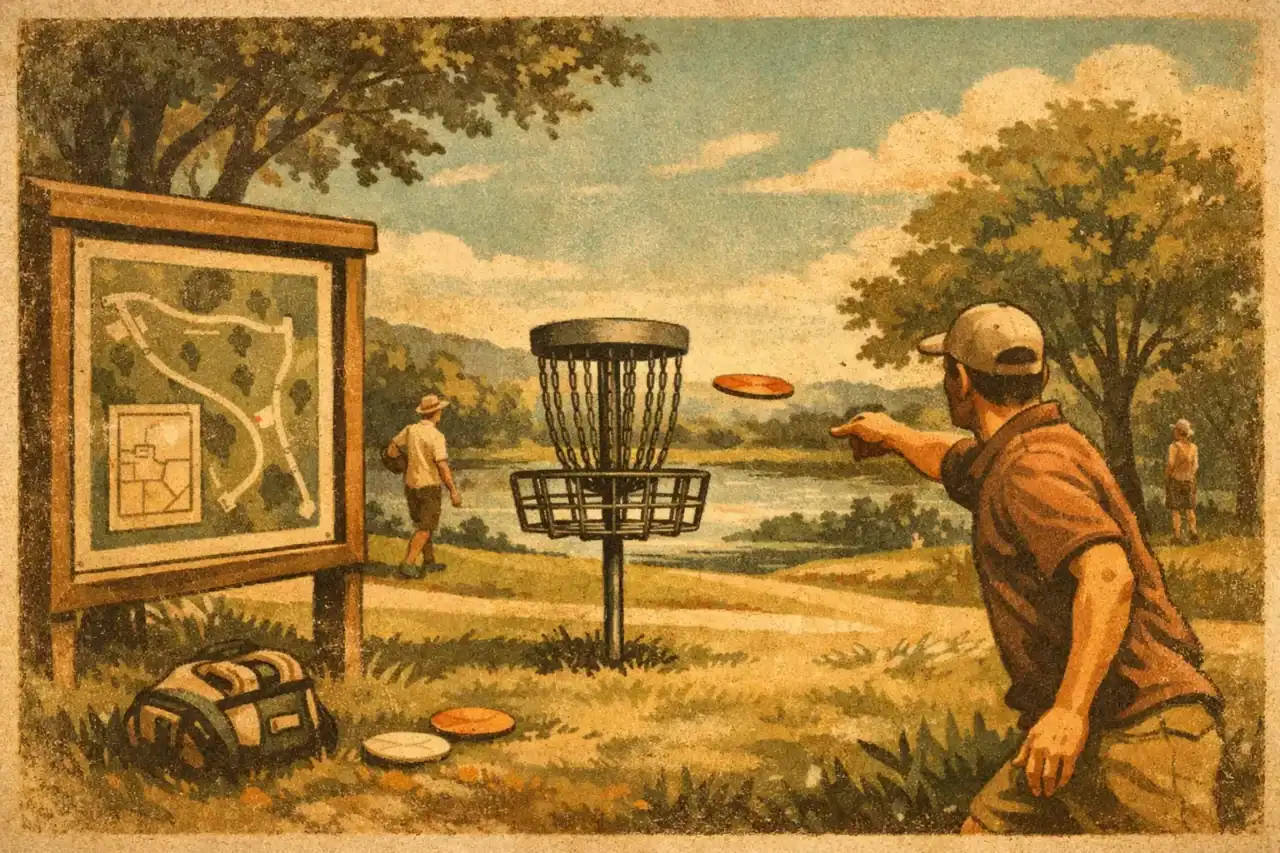
A public course can have solid baskets, a smart layout, and steady traffic – and still feel unfinished the moment players step onto a tee pad and find faded maps, missing arrows, or handwritten replacements. Municipal park disc golf signage does more than label a hole. It tells players they are on a course that is cared for, organized, and built to last in a public setting.
For park departments, city recreation teams, and club leaders, signage is one of the most visible upgrades you can make. It affects navigation, pace of play, safety, sponsorship potential, and the overall reputation of the course. Good signage reduces confusion for first-time players while making the facility feel more polished for regulars, event organizers, and local stakeholders.
Why municipal park disc golf signage matters
Municipal courses serve a wider mix of users than private or destination courses. On any given day, you may have first-time players, league members, families, tournament participants, and casual park visitors all sharing the same space. That means signage has to do several jobs at once.
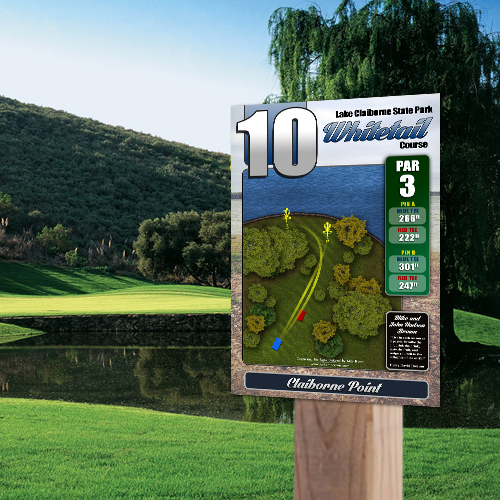
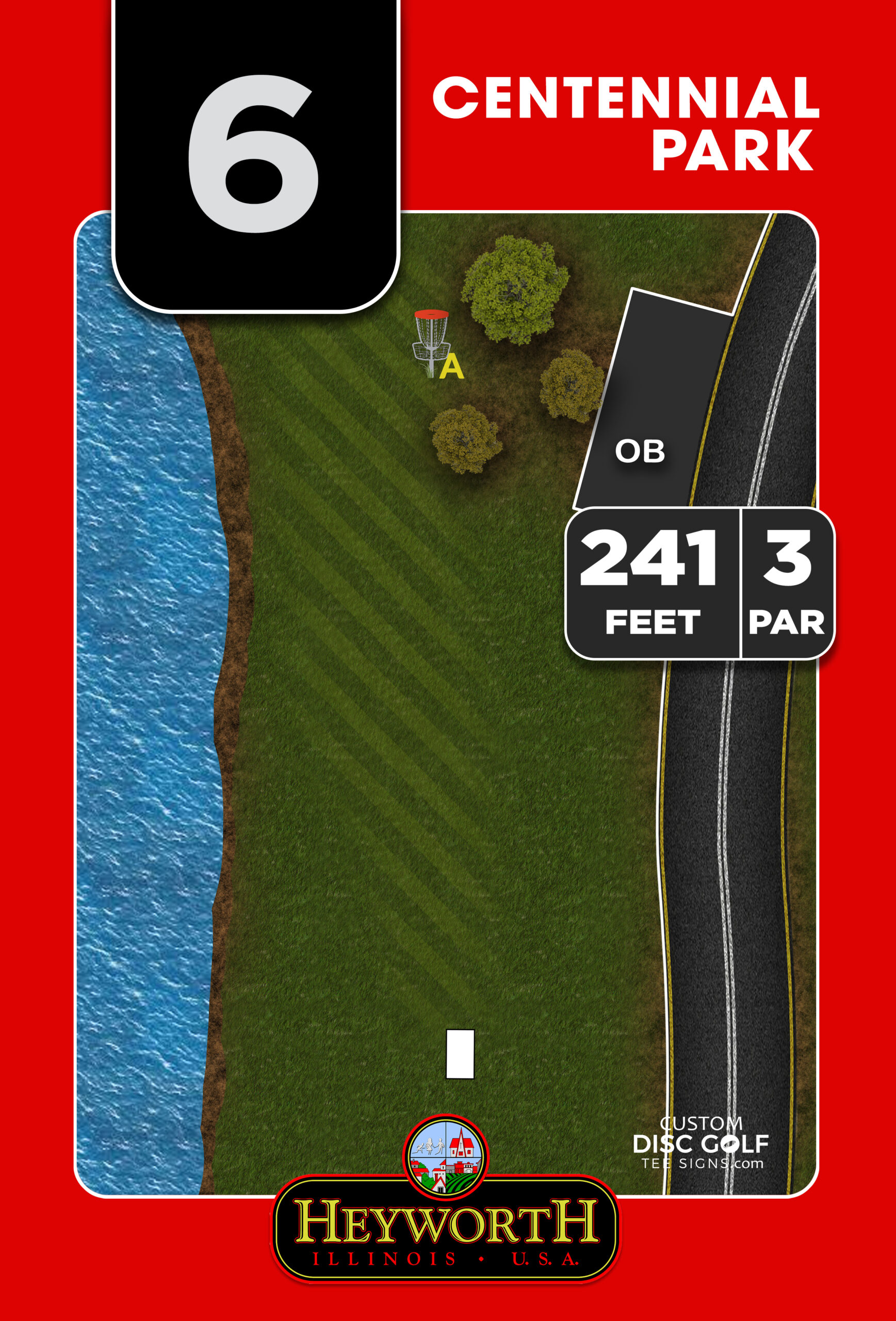
First, it needs to guide play clearly. A tee sign should show the hole layout, distance, par, basket position if applicable, and any major hazards or out-of-bounds areas. Directional signs should move players efficiently from basket to next tee. A course map at the entrance should help people understand where to start and how the course fits within the larger park.
Second, signage has to support park operations. When players can navigate without stopping to guess, staff deal with fewer complaints and fewer interruptions. Clear signs also help reinforce basic rules, shared-use awareness, and local expectations. In a municipal setting, that clarity matters because the course is part of a broader public environment, not a standalone sports complex.
Third, signage shapes perception. A course with coordinated, full-color, durable signs looks intentional. That matters when a parks board reviews future improvements, when sponsors consider supporting the course, and when local clubs advocate for upgrades. Signage is often the difference between a course that feels temporary and a course that feels established.
What good disc golf signage should include
The best municipal park disc golf signage systems work as a complete set, not as isolated pieces. Tee signs, next-tee arrows, kiosk maps, and informational signs should feel consistent in design and easy to read in real-world conditions.
At the tee, players need information fast. That usually means a clean hole map, accurate distance, hole number, par, and a clear indicator of the tee location and intended flight path. If the course has multiple pin positions or alternate tees, those details should be displayed in a way that does not clutter the sign. Too much information can be just as problematic as too little, especially for newer players.
At the course entry, overview signage should orient the player before the round begins. This is where a full course map, park rules, etiquette reminders, emergency information, and sponsor recognition can all work together. A strong course map can also reduce the number of players accidentally entering the wrong fairway or starting on the wrong hole.
Between holes, directional signage keeps the round moving. This part is often overlooked, but it is one of the highest-value improvements on a public course. Even excellent tee signs cannot solve a poor transition between holes. If players leave a basket and immediately wonder where to go next, the course experience breaks down.
Designing for public parks, not just for play
Public park signage has to survive more than weather. It has to handle UV exposure, changing temperatures, maintenance activity, occasional vandalism, and years of use by players who may never have seen the course before. That is why material choice and print quality are not cosmetic decisions.
UV-protected, professionally printed signs hold color and legibility much longer than budget alternatives. Durable substrates such as aluminum composite or aluminum are a better fit for municipal installations because they balance appearance with long-term performance. If a course improvement project is meant to last, the signage package should be selected with the same mindset.
There is also a design consideration that many general sign shops miss. Disc golf signage is not just about printing a map on a panel. The layout needs to reflect how players actually process information on the tee. Fairway shape, hazards, landing zones, mandatories, and elevation cues all need to read quickly. A sign can be technically correct and still be hard to use if the graphic hierarchy is weak.
That is why disc-golf-specific design experience matters. Public courses benefit when signage is developed by a team that understands the sport, the flow of a round, and the practical needs of both players and park decision-makers.
The budget question every municipality asks
Most municipal projects are working within approvals, fixed budgets, or phased improvement plans. That does not mean signage has to be generic or incomplete. It means the project should be scoped correctly.
Some courses need a foundational package first – tee signs and essential directional markers to solve navigation and presentation issues immediately. Others are ready for a more complete system that includes course kiosks, sponsor placement, tournament-ready branding, and premium-shaped signs that elevate the visual identity of the course.
The right answer depends on the course’s traffic, goals, and timeline. A high-use city course with active leagues may justify a more comprehensive signage system from the start. A newer community course may begin with core signs and build out in phases. Both approaches can work if the design system is planned well from the beginning.
Sponsorship can also change the math. Well-designed sponsor areas on tee signs or kiosks can help offset project costs without making the course feel cluttered. This works best when sponsorship space is integrated intentionally into the design rather than added as an afterthought. Municipalities and clubs often find that local businesses are more willing to support a project when the finished signage looks professional and permanent.
A smoother process leads to a better result
Signage projects can stall when too many stakeholders are involved and no one owns the workflow. That is common in municipal settings, where input may come from parks staff, city leadership, local clubs, donors, or volunteer coordinators. A structured design and proofing process keeps the project moving.
It starts with accurate course information. Hole distances, layouts, tee and basket positions, branding elements, sponsor logos, and any local rules need to be gathered early. From there, custom design work should translate that information into clear, polished signage proofs that stakeholders can review without guessing how the final product will look.
This is where a specialized signage partner saves time. Instead of asking a general printer to interpret course sketches and club notes, municipalities can work with a team that already understands what belongs on a disc golf tee sign and how to organize it. That reduces revisions, shortens approval cycles, and leads to a better final install.
For departments juggling multiple responsibilities, fast turnaround and free shipping are not minor perks. They are practical advantages that make the project easier to complete within a season, an event schedule, or a grant timeline.
Common mistakes to avoid with municipal park disc golf signage
The biggest mistake is treating signage as a simple print order. If the course map is inaccurate, the hole graphics are inconsistent, or the materials are not suited for outdoor use, the project may look acceptable on day one and become a problem shortly after installation.
Another mistake is underinvesting in wayfinding. Many courses focus only on tee signs and skip next-tee arrows or entrance maps. Players then spend half the round searching for the next hole, which creates frustration and slows down play. If your goal is a better user experience, transitions matter just as much as tee information.
It is also easy to overcrowd signs. Municipal stakeholders often want every rule, warning, logo, and note included on each panel. The better approach is to decide what information belongs at the tee, what belongs at the kiosk, and what belongs elsewhere. Clear design improves usability.
Finally, avoid mismatched additions over time. Replacing one sign at a time with different layouts, materials, or branding usually makes the course look less professional, not more. Even phased projects should follow one visual system.
Raising the standard of a public course
When municipal park disc golf signage is done right, the improvement is immediate. The course feels easier to use, easier to maintain, and easier to take seriously. Players notice it. Sponsors notice it. Park leadership notices it.
That is why signage is rarely just a finishing touch. It is infrastructure. It supports navigation, reinforces safety, strengthens the course identity, and helps public facilities present themselves at a higher standard. For municipalities, clubs, and community project leaders, that makes it one of the smartest upgrades on the course.
If your current signs are inconsistent, outdated, or missing altogether, the next step is not to patch the problem one hole at a time. It is to build a signage system that fits the course, the park, and the people who use it every week.