Why Use Sponsors on Disc Golf Signs?
A lot of courses reach the same point at the same time – the baskets are in, the layout works, the community is growing, and the signs no longer match the quality of the course. That is usually when the question comes up: why use sponsors on disc golf signs at all? For most clubs, parks, and course organizers, the answer is simple. Sponsorship turns signage from a budget problem into a practical upgrade path.
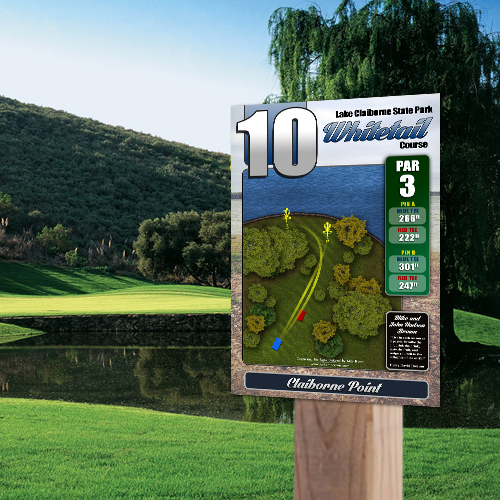
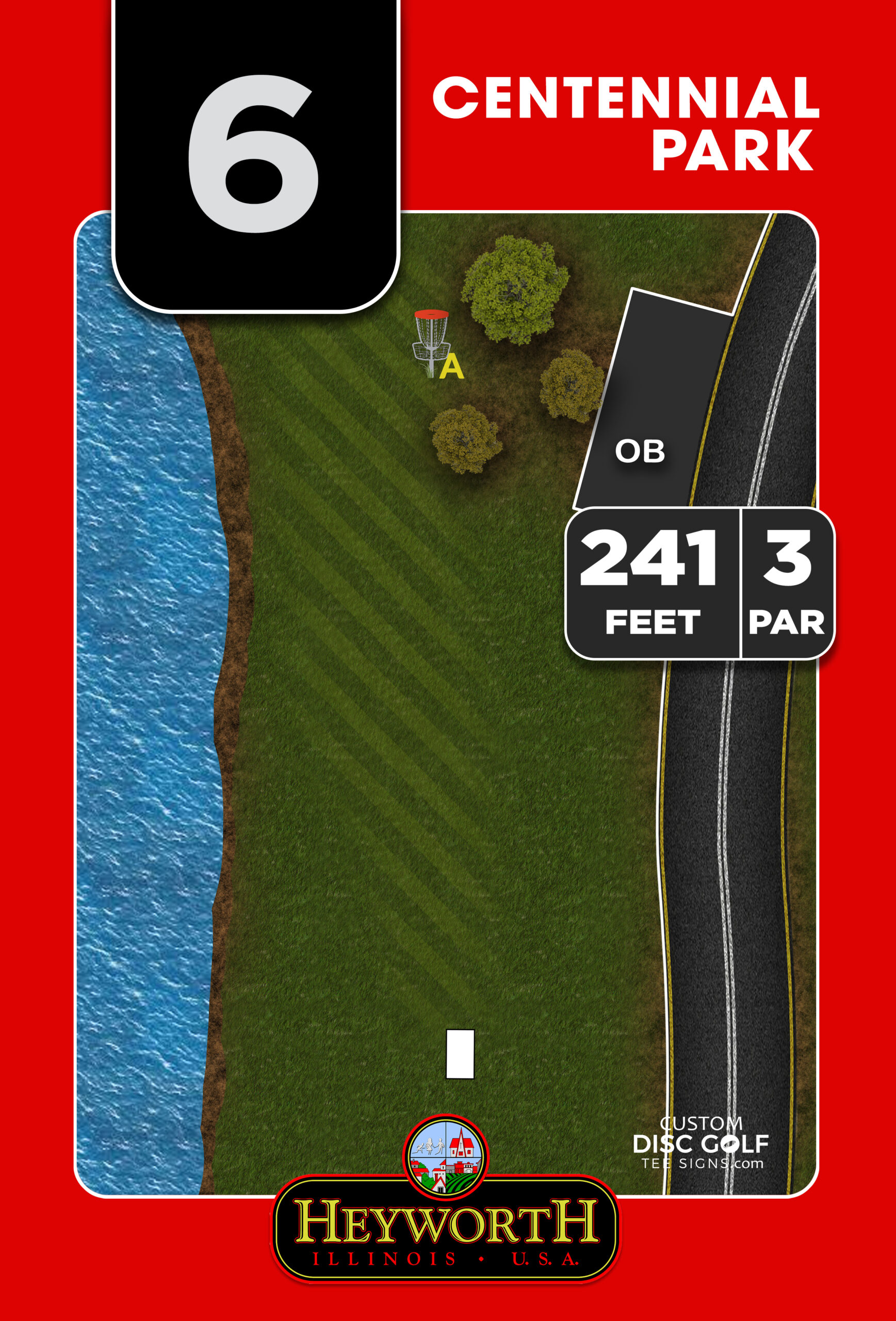
Well-designed tee signs already do important work. They help players navigate, show accurate hole layouts, reinforce course branding, and make the facility feel established. Adding sponsors gives those same signs another job. They become a funding tool that can help pay for production, support future improvements, and make a higher-quality sign package realistic without putting the full cost on one department, one club, or one volunteer group.
Why use sponsors on disc golf signs for course funding
The strongest reason to add sponsors is financial. Course signage is one of the most visible improvements you can make, but it is also one of the easiest places for a project to stall if funding is tight. Many public courses depend on club fundraising, local government approval, donations, or a mix of all three. That usually means every upgrade competes with other needs.
Sponsor placement creates a straightforward way to offset those costs. A local business, organization, or community partner contributes toward the sign package, and in return receives visibility on the course. That arrangement is easy for stakeholders to understand because the value is visible. The sponsor is not paying for something abstract. They are helping install durable, professional signage that players see every round.
This matters even more for larger projects. If a course needs 9 signs, 18 signs, a course map, next tee signs, and branding elements, the total investment rises quickly. Sponsorship can close the gap between basic signs and a more complete system. Instead of choosing the cheapest option just to get the project done, organizers can often move toward full-color layouts, better materials, clearer graphics, and a more polished result.
Sponsorship helps you raise the standard of the course
There is a big difference between signs that simply mark a tee and signs that present the course professionally. Players notice it right away. So do parks departments, city officials, tournament directors, and potential donors.
When sponsor support is built into the signage plan, courses often have room in the budget for stronger design and more durable materials. That leads to better readability, more accurate map layouts, and a cleaner visual identity across the property. It also helps avoid the patchwork look that happens when signs are replaced one at a time with different layouts, different sizes, or low-resolution artwork.
Professional signs tell players that the course is cared for. They reduce confusion, improve pace of play, and create a better first impression for visiting players. For municipalities and public parks, that polished appearance also reflects well on the facility itself. It shows that the course is organized, maintained, and worth continued support.
There is a practical side to this too. A sponsor-backed sign package can make it easier to choose materials built for outdoor performance rather than short-term fixes. UV-protected, durable sign panels hold up better, look sharper longer, and reduce the need for early replacement. That is not just about appearance. It is about reducing repeated costs and keeping the course functional.
Why sponsors make sense for local businesses
Sponsorship works best when the benefit is real for both sides. On a disc golf course, it usually is.
Local businesses often want to support community recreation, but they also want visibility they can point to. Tee signs give them that. Their name or logo appears in a place where players stop, read, and engage with the course. Unlike many forms of advertising, tee sign sponsorship is tied to a physical improvement people appreciate. The sponsor is seen as helping the course, not interrupting it.
That community connection matters. Restaurants, breweries, real estate offices, contractors, outdoor retailers, and service businesses often like being associated with a local course because the audience is nearby and engaged. On public courses, sponsor visibility can continue for years rather than for one event weekend.
Of course, not every sponsor is the right fit. A crowded sign with oversized logos can distract from the actual hole information. That is why the design approach matters. Sponsorship should support the sign, not take it over. Good placement keeps the hole map, distance, par, and navigation details clear while still giving the sponsor meaningful recognition.
Better signs can make sponsor outreach easier
One overlooked advantage of sponsor-supported signage is that a professional concept is easier to sell than a vague idea. If you approach businesses with a clear sign design, defined sponsor area, material specs, and a production plan, the conversation changes. You are no longer asking for a general donation. You are offering participation in a visible, organized improvement project.
That structure helps clubs and volunteer organizers a great deal. Many sponsorship efforts struggle because the proposal is unclear. A business owner may be willing to help but wants to know what the sign will look like, how long it will last, where their logo will appear, and whether the course is serious about execution.
When the signage process includes layout proofing, custom artwork, and a defined workflow, sponsors gain confidence. So do internal stakeholders. Parks staff, board members, and project coordinators can review the same plan and understand how the finished product will look on the course.
This is especially useful for Eagle Scout projects, municipal improvements, and club-led fundraising campaigns, where multiple people may need to approve the direction before production begins.
Sponsor placement should support the player experience
The best reason to use sponsors on disc golf signs is not just that it brings in money. It is that it can bring in money without reducing function, as long as the signs are designed correctly.
Players rely on tee signs for fast, clear information. They want to see basket location, fairway shape, hazards, distance, par, and next-tee guidance without hunting for it. If sponsor areas are added without planning, signs can become cluttered. That hurts the player experience and weakens the whole investment.
The right solution is balance. Sponsor logos should have dedicated space that feels intentional. The map should stay dominant. Typography should remain legible. Color choices should support contrast and readability. On some courses, one sponsor per sign is the cleanest option. On others, a consistent shared sponsor area across the package works well. It depends on the number of partners, the sign size, and how much information each hole requires.
This is where disc-golf-specific design matters. A sign is not just an ad panel with a hole number added to it. It is an information tool first. Sponsor integration has to respect that.
It can support long-term course growth, not just one project
Sponsorship is often treated as a one-time fix, but many courses use it more strategically. Tee signs can be the first sponsor-supported upgrade, followed by course maps, kiosk panels, directional signs, bench sponsorships, or event support. Once local businesses see a successful finished product on the course, future outreach tends to become easier.
That long-term value is important for growing facilities. As courses attract more casual players, host more league traffic, or move toward tournament readiness, expectations rise. Better signage is part of meeting those expectations. Sponsorship can help courses keep pace without waiting years for one large budget approval.
There are trade-offs, of course. Some parks prefer a very minimal visual approach. Some clubs want to limit commercial presence. Some sponsors may expect more prominence than the sign design can reasonably support. Those are valid concerns, and they should be addressed early. Clear guidelines on logo size, placement, and term length keep the project focused and professional.
For most courses, though, the trade-off is worth it. If sponsorship is handled thoughtfully, the course gains durable, attractive signage and the sponsor gains community visibility. That is a strong exchange.
A good tee sign should do more than label a hole. It should help players, reflect the quality of the course, and make future improvements easier to fund. If sponsorship helps you move from temporary signs to a complete, professional system, it is not just an add-on. It is one of the most practical tools you have to bring your course to a higher standard.