Aluminum Composite vs Aluminum Signs
If you are planning new course signage, the choice between aluminum composite vs aluminum signs affects more than appearance. It changes how your signs handle weather, how much your project costs, how easy installation will be, and how long the system stays looking professional on the course.
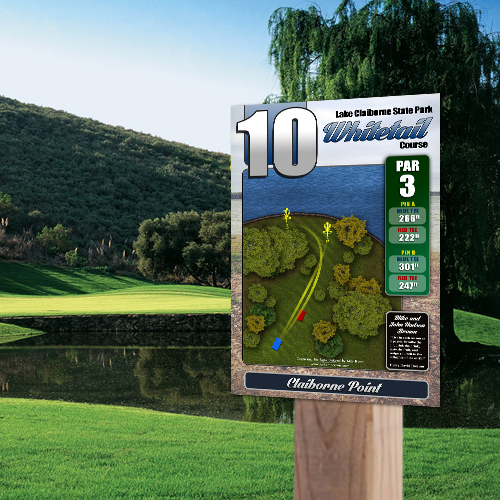
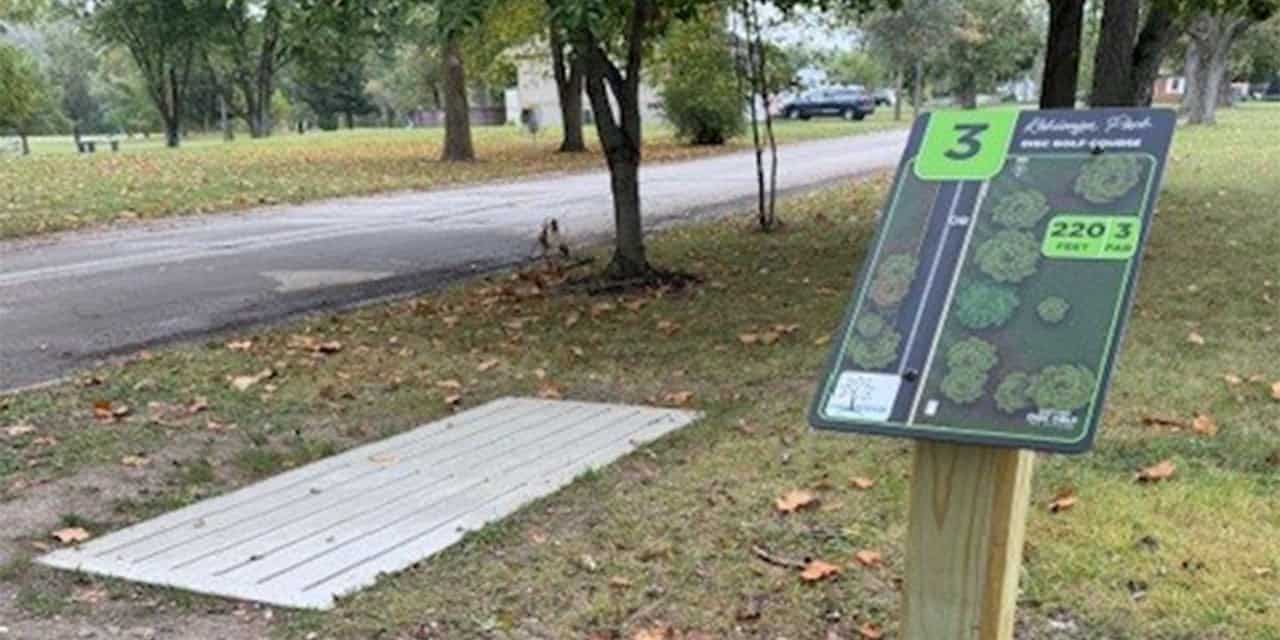
For disc golf courses, this is not a small material decision. Tee signs and course maps live outdoors full time. They face sun, rain, sprinklers, mowers, weed trimmers, flying debris, and constant player traffic. A sign that looks great in a product photo can still be the wrong fit if it dents too easily, costs too much for your rollout, or limits the design flexibility you need for sponsorships and full-color hole layouts.
Aluminum composite vs aluminum signs for disc golf courses
The simplest way to think about it is this: aluminum composite panels are built in layers, while solid aluminum signs are a single sheet of metal. Aluminum composite typically has two thin aluminum faces bonded to a solid core. Solid aluminum is exactly what it sounds like – one continuous aluminum sheet.
Both are used for outdoor signage, and both can perform well. The better choice depends on your course goals. If you are outfitting an entire 18-hole course and want full-color graphics, reliable durability, and strong value, aluminum composite is often the practical choice. If you need a thinner all-metal panel or have a very specific use case where solid sheet aluminum is preferred, aluminum can still make sense.
For most course managers, clubs, and parks departments, the real question is not which material is “better” in the abstract. It is which material gives you the best mix of presentation, lifespan, and project cost.
What aluminum composite signs do well
Aluminum composite has become a popular option for outdoor wayfinding and branded signage because it balances durability with cost control. On a disc golf course, that matters. You may need tee signs, directional signs, kiosk panels, sponsor panels, and a course overview, all within one budget.
A major advantage is rigidity without excessive weight. Composite panels feel substantial, but they are usually easier to handle and install than heavier solid metal alternatives. That can simplify installation for volunteer-led projects, park crews, or clubs managing their own post hardware.
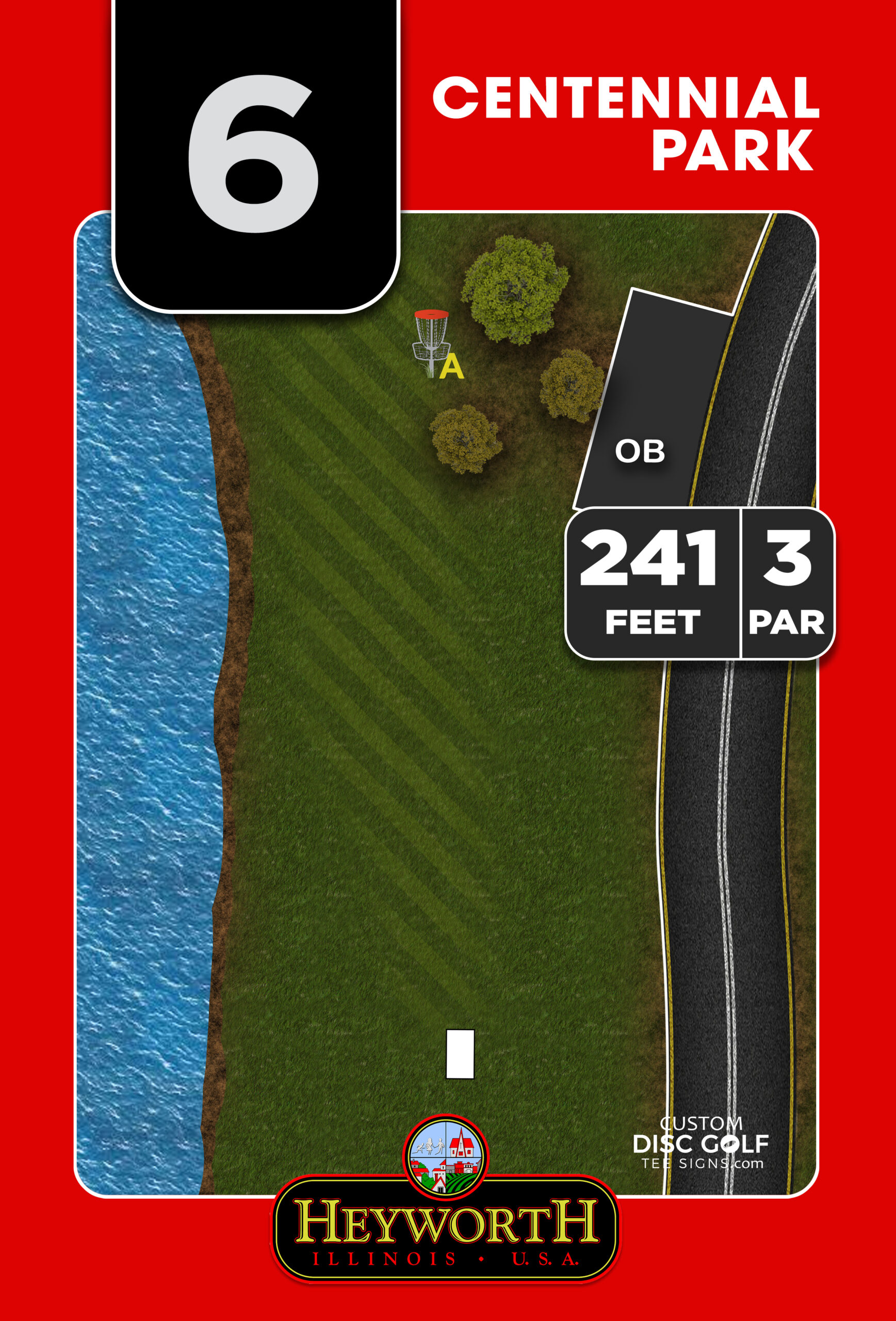
The surface also works very well for high-resolution printed graphics. That is especially important for disc golf tee signs, where visual clarity does a lot of work. Players need to read distances, identify multiple basket positions, understand flight paths, and quickly spot hazards or OB. If sponsorships are part of the funding plan, logos also need to reproduce cleanly and professionally.
Another reason many organizations choose composite is overall value across a full course package. When you multiply material cost by 9, 18, or 27 holes, plus practice area and map signage, small per-sign differences become significant. Composite often helps buyers bring the course to a higher standard without forcing cutbacks in design quality or sign coverage.
Where solid aluminum signs may have an edge
Solid aluminum signs still have a place, and it is worth being clear about that. Some buyers prefer an all-metal substrate for its simplicity and traditional feel. In certain thicknesses and applications, aluminum can also be a strong option where a thinner profile is desired.
There is also a perception factor. Some decision-makers hear “solid aluminum” and immediately associate it with premium durability. That instinct is understandable, even if the best choice still depends on the sign’s size, mounting method, and expected impact exposure.
For smaller signs or projects with very specific spec requirements, solid aluminum can be a suitable fit. But that does not automatically make it the best investment for every tee sign package. On-course performance depends on the entire build, including print process, protective finish, installation approach, and how the sign will be used day after day.
Durability in real course conditions
Disc golf signage does not age in a showroom. It ages beside fairways, parking lots, trails, and baskets. That is why durability should be judged by real conditions, not just material labels.
Aluminum composite signs generally hold up very well outdoors when produced with quality UV-protected graphics. They resist moisture, do not rust, and maintain a clean, professional face for full-color layouts. For many courses, that makes them a dependable long-term choice.
Solid aluminum also performs well outdoors and resists corrosion. But impact behavior can differ. In some situations, aluminum may dent more noticeably, while composite panels can offer a good balance of stiffness and usable durability for larger-format sign faces. The exact result depends on panel thickness, mounting, and how exposed the sign is to abuse.
That is the key trade-off to understand. Material alone does not determine lifespan. A well-designed sign system with the right substrate, proper hardware, and protected graphics will usually outperform a poorly planned system made from a more expensive material.
Cost matters when you are building a full sign system
This is where many projects are won or lost. A parks department may want a complete 18-hole upgrade, but the budget has to stretch across sign panels, design, posts, maps, sponsor areas, and installation. Volunteer groups and Eagle Scout-led efforts often face the same pressure.
In many cases, aluminum composite gives you more room to build a complete and consistent signage package. That can mean better tee signs on every hole instead of only a partial rollout. It can also mean keeping full-color artwork, adding sponsor placement, or including a course overview board rather than cutting those items to stay on budget.
A cheaper sign is not always a better value, but a material that supports a more complete project often is. Course presentation is cumulative. When every hole has polished signage and the branding is consistent from kiosk to tee, the course feels intentional and well managed.
Weight, handling, and installation
Installation is often treated like an afterthought until crews are carrying stacks of panels across a park. Weight matters, especially if your team includes volunteers or you are installing signs in phases.
Composite panels are generally easier to handle while still feeling durable and stable once mounted. That can reduce hassle during shipping, staging, and field installation. It also helps when sign packages include larger panels with more detailed layouts.
Solid aluminum can still install cleanly and effectively, but depending on panel size and thickness, the handling experience may be less forgiving. If your project involves many signs, ease of installation becomes part of the material decision, not a side note.
Design quality and sponsorship visibility
For disc golf, signage is functional infrastructure, but it is also part of the course brand. The best signs do more than mark a tee. They improve navigation, reinforce credibility with players, and give sponsors a polished place on the course.
That is one reason aluminum composite is often a strong fit. It supports crisp, full-color presentation that works well for hole maps, next tee arrows, park branding, local rules, and sponsor recognition in one coordinated layout. If you are asking local businesses to support the project, the sign needs to look worth sponsoring.
A sign substrate should never force you into bland design. Good materials should support strong artwork, not limit it. That is especially true on courses trying to move beyond faded, inconsistent, or homemade signage.
So which one should you choose?
If you are choosing between aluminum composite vs aluminum signs for a disc golf course, start with the scope of the project. If you want a durable, professional, full-color sign system with strong value across multiple holes, aluminum composite is often the smarter choice. It gives many organizations the best balance of performance, presentation, and budget control.
If you have a narrow use case, specific bid requirements, or a strong reason to prefer solid sheet metal, aluminum signs may still be appropriate. The right answer depends on panel size, installation method, expected wear, and how far your budget needs to go.
For most courses, the material decision should support the bigger goal: clear navigation, better player experience, stronger course image, and signage that holds up season after season. That is why many buyers prioritize not just what the sign is made of, but how the entire package is designed and delivered.
At Custom Disc Golf Tee Signs, that is the standard we build toward. The best material is the one that helps your course look organized, read clearly, install efficiently, and stay professional long after opening day.
If you are still weighing the options, think beyond the panel itself. The right sign material should make the whole project easier to approve, easier to fund, and easier to be proud of once it is on the ground.