Disc golf courses don’t start with baskets or tee signs.
They start with a walk.
Before a single hole is mapped, before distances are measured or signage is designed, a course designer steps onto the land to understand it—its slopes, trees, clearings, and natural flow. That first walk determines whether a course will feel forced or timeless.
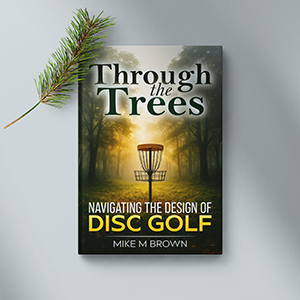
That philosophy is at the heart of Through the Trees: Navigating the Design of Disc Golf—a book written for disc golf course designers, parks departments, landowners, and players who want to understand what makes great courses endure.
Disc Golf Course Design Starts With the Land
The best disc golf course design always begins with respect for the site.
Every property tells a different story. Some land supports open, forgiving fairways ideal for beginner-friendly disc golf courses. Other sites demand tighter lines, technical shot shaping, and deliberate risk-reward decisions. A designer’s role is not to impose difficulty or length, but to discover the natural identity of the land.
In Through the Trees, course design is treated much like landscape architecture—balancing playability, challenge, sustainability, and long-term maintenance. The goal is not simply to fit 18 holes, but to create a cohesive experience that feels intentional from the first tee to the final putt.
Disc Golf Course Design as Storytelling
Great disc golf courses tell a story.
Each hole plays a role. Opening holes invite players in. Mid-round holes introduce decision-making and variety. Closing holes bring tension, confidence, or release. Signature holes are not just scenic—they appear at the right moment and serve a purpose within the overall narrative of the course.
This storytelling approach is what separates memorable disc golf courses from forgettable ones. Players may not consciously analyze design choices, but they feel them—through pacing, transitions, and how the land unfolds hole by hole.
Balancing Challenge and Accessibility
One of the most searched questions in disc golf course design is how to balance difficulty.
Harder does not always mean better. Longer does not always mean more interesting.
A well-designed disc golf course rewards skill without punishing curiosity. It provides multiple lines, strategic landing zones, and thoughtful tee placements that allow beginners and advanced players to coexist on the same course. Good design encourages growth rather than frustration.
That balance is a recurring theme throughout Through the Trees—because sustainable disc golf depends on courses that serve entire communities, not just elite players.
The Role of Disc Golf Tee Signs in Course Design
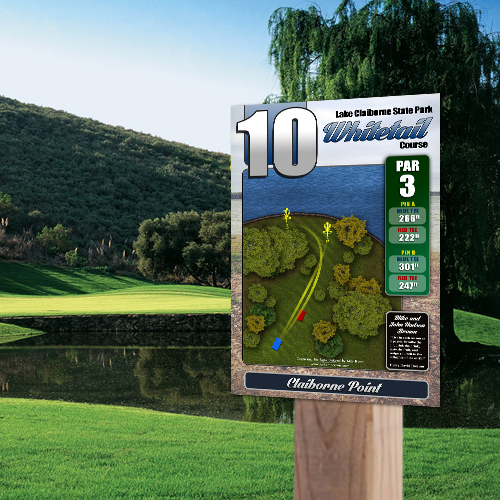
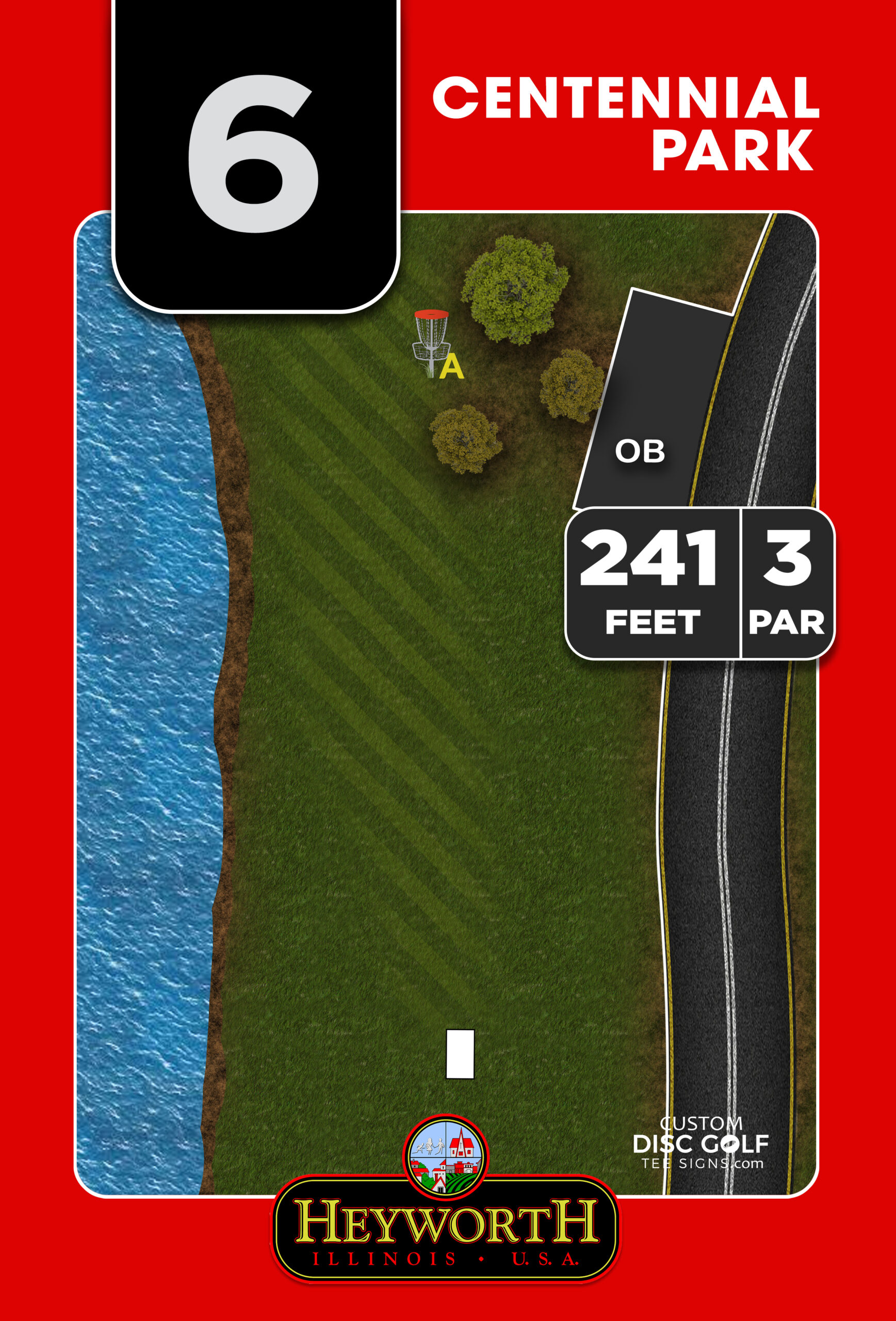
Disc golf tee signs are not just accessories—they are part of the course design itself.
Well-designed tee signs help players understand intent:
-
Fairway shape and preferred lines
-
Elevation changes and hazards
-
Distance, par, and flow to the next hole
Poor or missing signage breaks immersion and creates confusion, even on well-designed courses.
In modern disc golf course development, tee signs act as the bridge between the designer’s vision and the player’s experience. Clear, durable, thoughtfully designed disc golf tee signs improve pace of play, reduce damage to the land, and help courses age gracefully.
When course design and tee signage work together, the result is a more intuitive and enjoyable round for everyone.
Sustainability and Long-Term Maintenance
Disc golf courses live outdoors—and they age.
Erosion, foot traffic, drainage, vegetation growth, and shared park use all affect how a course performs over time. Designing with sustainability in mind is not optional. It’s essential.
Through the Trees emphasizes designing courses that can be maintained realistically, whether by parks departments, volunteers, or private landowners. Smart routing, proper tee placement, and durable infrastructure—including quality tee signs—help preserve both the land and the course itself.
Walking a Property With a Designer’s Eye
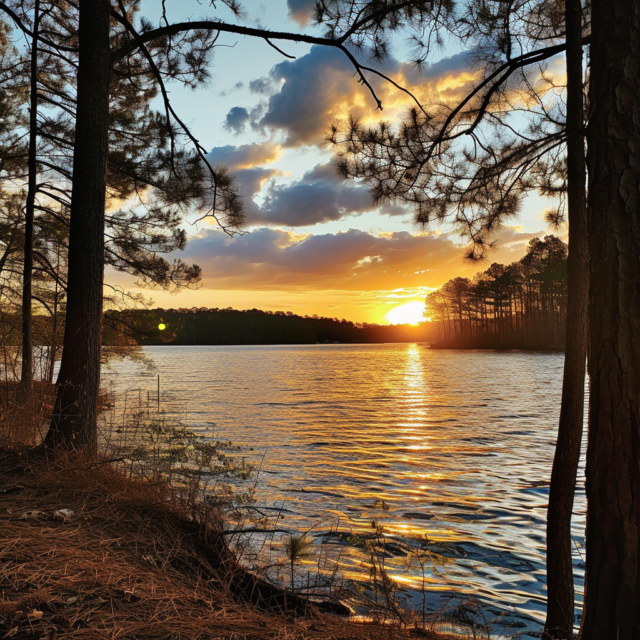
One of the main goals of Through the Trees is to change how readers see land.
After reading the book, many find themselves noticing why certain holes work, why others struggle, and how subtle design decisions affect player behavior. Whether you’re planning a new disc golf course or improving an existing one, learning to read the land is the most valuable skill you can develop.
This book is not a checklist or a formula. It’s a mindset.
More Than a How-To Disc Golf Design Book
Through the Trees blends practical disc golf course design insight with a philosophical approach rooted in respect for the land and the player experience. It draws inspiration from traditional golf course design, landscape architecture, and real-world disc golf projects.
It’s written for:
-
Disc golf course designers
-
Parks and recreation departments
-
Landowners considering disc golf installation
-
Disc golfers curious about course design principles
-
Anyone involved in disc golf course planning, upgrades, or signage
Available in Multiple Formats
Through the Trees: Navigating the Design of Disc Golf is available in:
-
Kindle – ideal for research and field reference
-
Paperback – perfect for notes and planning sessions
-
Hardcover – a long-term reference for designers and offices
-
Audiobook – great for site walks and travel
You can find the book on Amazon here:
👉 Through the Trees: Navigating the Design of Disc Golf
Final Thoughts on Disc Golf Course Design
Disc golf course design is not about building holes—it’s about creating places.
Places that challenge without overwhelming.
Places that respect the land.
Places that guide players clearly through thoughtful routing and well-designed disc golf tee signs.
Places that last.
If you care about the future of disc golf, how courses are built, and how players experience them, Through the Trees offers a deeper way of seeing the game.
Find your way Through the Trees.