Custom Disc Golf Tee Signs That Work
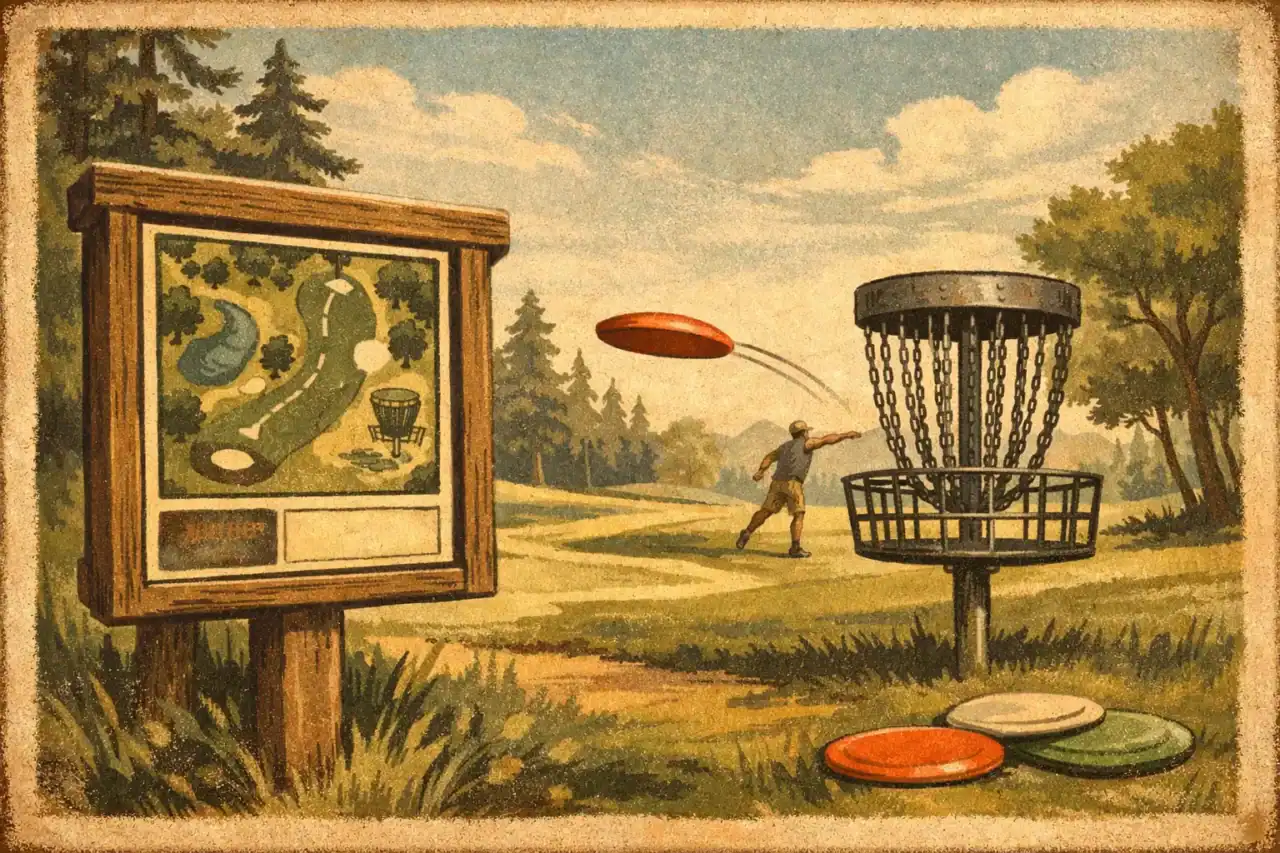
A player steps onto tee 1, looks down at a faded plaque, and immediately has questions. Where is the basket? Which pin position is in play? Is there water behind the green or a mando off the fairway? That moment is exactly why custom disc golf tee signs matter. A well-designed sign does more than label a hole – it sets expectations, improves pace of play, reduces confusion, and tells players your course is cared for.
For clubs, parks departments, municipalities, and course organizers, tee signs are not a minor detail. They are part of the course infrastructure. Good signage supports navigation, presents accurate hole information, creates room for sponsors, and gives the entire property a more professional look. Poor signage does the opposite. It frustrates first-time visitors, makes tournaments harder to manage, and leaves the course feeling unfinished even when the layout itself is excellent.
What custom disc golf tee signs actually solve
The biggest value of custom signage is clarity. Players should be able to stand at the tee and understand the hole quickly. That includes the fairway shape, basket location, distance, par, hazards, out-of-bounds areas, and any special rules. On a newer course, this helps people learn the layout. On an established course, it keeps play moving and cuts down on repeated questions.
There is also a presentation factor that course leaders should not overlook. Signage is often one of the first things players notice because it meets them before the throw does. Consistent, full-color signs create a stronger first impression than a mix of temporary markers, worn decals, and hand-updated maps. If your goal is to bring your course to a higher standard, signage is one of the fastest ways to make that visible.
For public courses, there is a practical maintenance angle too. Durable materials with UV protection hold up far better than improvised solutions. That means fewer replacements, fewer readability issues over time, and a better long-term return on the project budget. The cheapest sign option can easily become the most expensive if it has to be replaced too soon.
Why custom disc golf tee signs outperform generic templates
Generic sign templates can be useful when speed matters more than fit, but most courses benefit from a fully customized approach. Disc golf layouts are rarely simple enough to be dropped into a one-size-fits-all design. Hole shapes vary. Elevation matters. Sponsor placement needs to be handled cleanly. Branding standards may come from a city, club, parks department, or private property owner. A generic layout usually forces the course to adapt to the sign rather than the sign being built around the course.
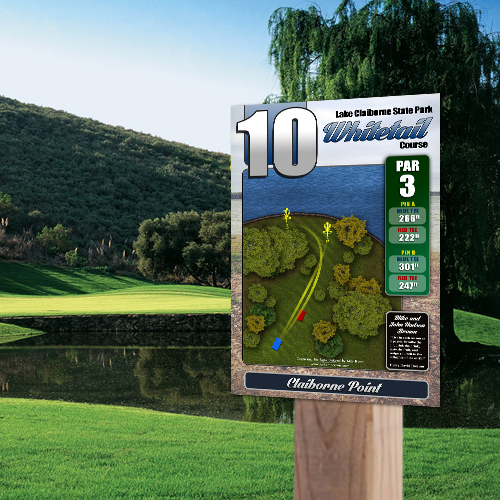
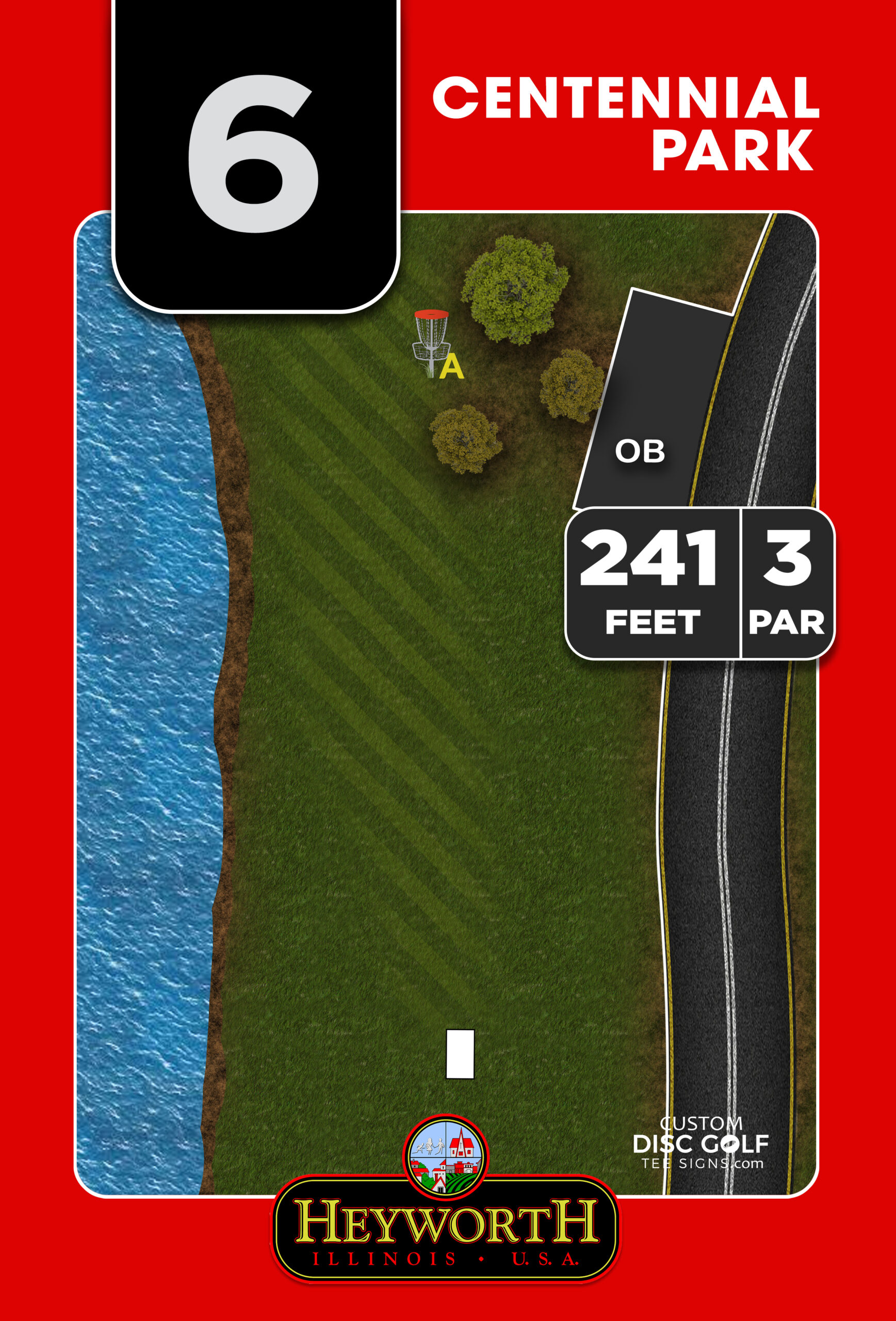
Custom design fixes that. The hole map can reflect the actual line players see from the tee. Distances can be shown clearly. Alternate basket positions, next-tee direction, and local rule callouts can be included without overcrowding the layout. The overall look can match the course identity instead of feeling borrowed from another project.
That is especially important when multiple stakeholders are involved. Municipal buyers may need a polished visual standard. Clubs may want room for league branding or donor recognition. Volunteer-led projects often need sponsor visibility to help offset costs. A custom design process makes space for those needs before production starts.
The design details that make a sign useful
A good tee sign balances information and readability. If every possible detail is crammed into one panel, players stop using it. If the sign is too minimal, it fails to answer basic questions. The right design gives players what they need at a glance and supports the course without turning the sign into clutter.
The most effective signs usually include a clear hole number, distance, par, an accurate high-resolution hole layout, and an obvious indicator for tee and basket positions. When relevant, they also show hazards, mandatory routes, out-of-bounds lines, and next-tee direction. Those details should be easy to read from a standing position and easy to interpret in a few seconds.
Color matters here, but so does restraint. Full-color printing gives course managers more freedom to create realistic and attractive layouts, yet contrast and hierarchy still do most of the work. The hole map should stand out. Important warnings should be obvious. Sponsor areas should look intentional rather than pasted onto leftover space.
That last point is worth emphasizing. Sponsorship support works best when it is built into the sign system from the beginning. A reserved sponsor area can help fund the project while keeping the design clean and professional. When that placement is treated as part of the layout rather than an afterthought, both the sponsor and the course look better.
Materials, durability, and why the substrate matters
For outdoor disc golf signage, material selection is not just a production choice. It affects lifespan, appearance, and replacement costs. Courses in sunny, wet, or high-traffic environments need signs that can handle exposure without quickly fading, warping, or breaking down.
Aluminum composite is a popular option because it offers a strong balance of durability, print quality, and value. Solid aluminum can be the better fit for projects that need added rigidity or a different performance profile. The right choice depends on the course environment, installation method, and budget. There is no single best answer for every property.
What should stay consistent is the expectation of outdoor performance. UV protection matters because many courses receive full sun for long periods. Print quality matters because maps and text need to stay sharp. Manufacturing consistency matters because a sign program should look unified across all 9 or 18 holes, not like it was assembled from different sources at different times.
A better workflow leads to a better result
Many signage projects slow down because the process is unclear. One person supplies distances, another has old maps, someone else wants logos added, and no one is fully sure what the final signs should include. That is why a structured workflow matters as much as the materials.
The strongest projects usually begin with course data collection and design direction. From there, each sign is built with course-specific artwork, then reviewed through a proofing stage before production. That review step protects the project from avoidable errors such as incorrect distances, outdated basket positions, missing sponsors, or inconsistent branding.
For course managers and volunteer organizers, this is where expert guidance makes a real difference. Most buyers do not need another printer. They need a partner who understands disc golf signage, can translate rough input into polished artwork, and can keep the job moving toward approval and delivery. Fast turnaround only helps if the design is right.
Budget pressure is real, but so is the long-term value
Every course project has cost limits. Municipal budgets get tight. Club funds are often stretched across baskets, pads, maintenance, and events. Community-led improvements depend on volunteer coordination and local support. Because of that, tee signs are sometimes treated like something to postpone.
In practice, they often deliver value sooner than expected. Better signage improves the experience for visiting players immediately. It reduces confusion during leagues and tournaments. It gives sponsors visible recognition. It also changes how the course is perceived by city staff, donors, and the broader disc golf community.
If budget is the sticking point, sponsorship placement can make the project far more achievable. A well-organized sign package with clear sponsor areas gives local businesses a tangible way to support the course. For Eagle Scout projects and public-course improvements, that can be the difference between a stalled idea and a finished installation.
Package options help too. Some courses need a basic navigation system. Others need full championship-level signage with premium shapes, detailed maps, and course overview boards. The right scope depends on goals, timeline, and budget. Starting with the actual needs of the course usually leads to a smarter investment than automatically choosing the least expensive format.
When it is time to replace your current signs
If players regularly ask where to throw, your signs are already costing you something. The same is true if signs are faded, inconsistent, damaged, or missing key details. Replacement is not just about appearance. It is about giving the course a signage system that matches the quality of the layout.
That is often the right time to think bigger than individual tee signs. A coordinated set can include tee signs, course overviews, and maps that create a more complete on-site experience. When everything is designed together, the course feels organized from the parking area to the final basket.
Custom Disc Golf Tee Signs works with exactly these kinds of projects, from practical upgrades to premium sign systems built for courses that want a stronger public presentation. The value is not simply in printing panels. It is in getting course-specific design, durable materials, sponsor-ready layouts, and a process that keeps the project on track.
The best sign is the one players stop thinking about because it answered their questions before they had to ask. If your course is ready for that kind of upgrade, the right signage does more than mark the tee – it raises the standard of the entire property.