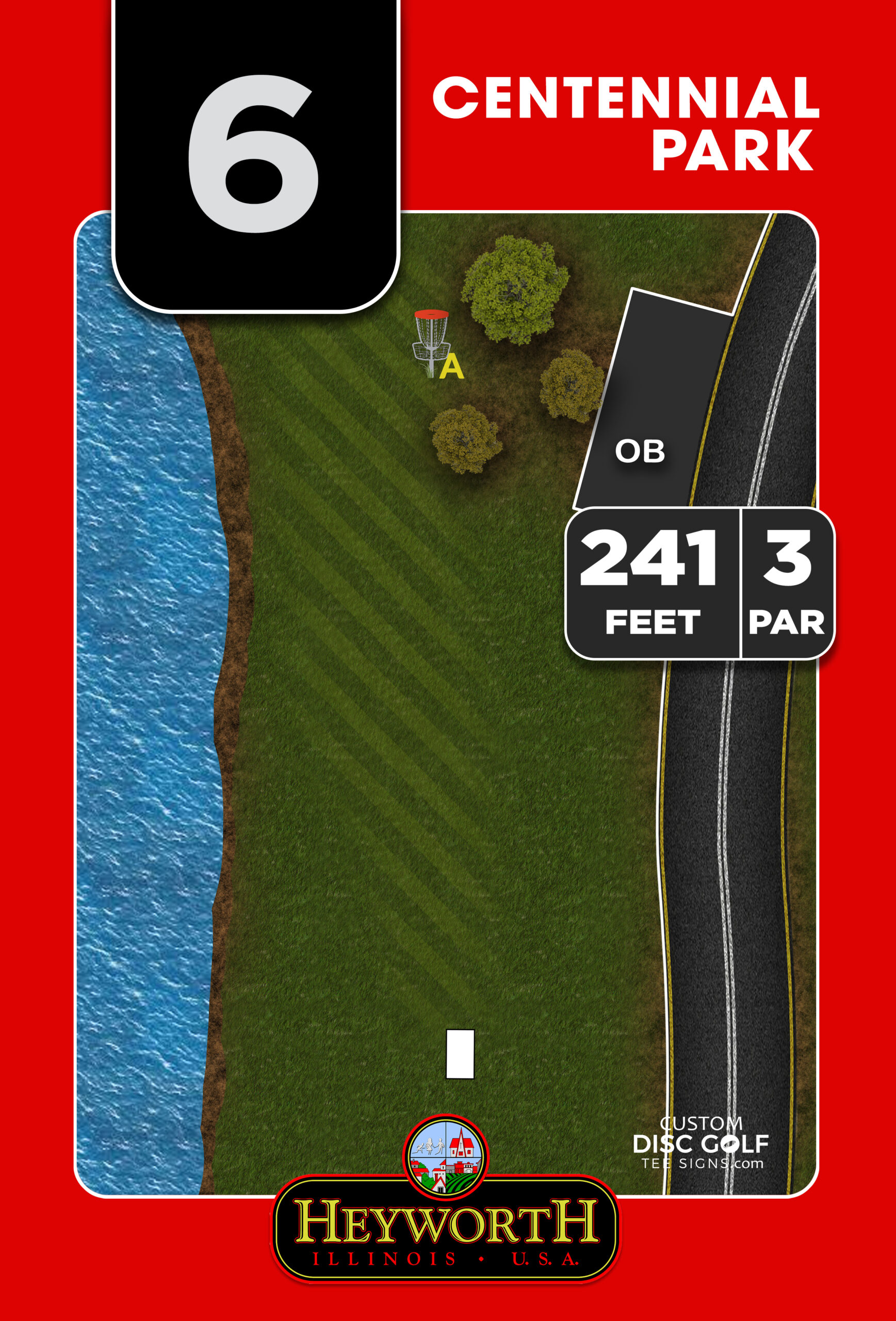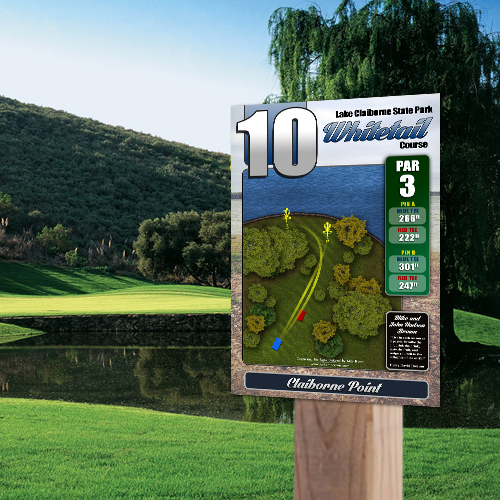
How Long Do Aluminum Tee Signs Last?
A tee sign usually does not fail all at once. First the colors start to fade, then corners get bent, then mounting hardware loosens, and before long the sign still exists but no longer does its job. That is why one of the most common questions course managers ask is how long do aluminum tee signs last. For most disc golf courses, a well-made aluminum tee sign can last 7 to 10 years or more outdoors, and premium builds in favorable conditions can push past that.
That said, lifespan is never just about the metal. It depends on sun exposure, print protection, mounting method, climate, vandalism, and whether the sign was designed specifically for long-term outdoor use. If you are planning a new course package or replacing aging signs, it helps to look past the simple material label and understand what actually determines service life.
How long do aluminum tee signs last in real course conditions?
On a public disc golf course, aluminum tee signs are expected to handle UV exposure, rain, temperature swings, mower traffic, stray discs, weed trimmers, and constant player contact. In those real-world conditions, solid aluminum signs with outdoor-rated printing and a protective finish generally perform for many years before readability and appearance begin to decline.
A realistic benchmark is 7 to 10 years for signs that are properly manufactured and installed. In milder climates, shaded layouts, or courses with strong maintenance practices, signs may stay functional and presentable beyond 10 years. In high-sun regions, coastal environments, or heavily used municipal parks, the visible lifespan may be shorter even if the panel itself remains structurally sound.
That distinction matters. A sign can still be standing after a decade, but if the map is faded, the distance is hard to read, or the branding looks worn out, it is no longer serving the course at a high level. For most clubs and park departments, the goal is not just survival. It is keeping the course clear, professional, and easy to navigate.
What affects how long aluminum tee signs last?
The base material is only one part of the equation. Aluminum is naturally corrosion-resistant, which makes it a strong choice for outdoor signage, but longevity really comes from the full sign system.
UV exposure is usually the biggest factor
Sunlight is one of the fastest ways to age any printed sign. Even when the panel stays intact, prolonged UV exposure can fade colors, reduce contrast, and make fine map details harder to read. This is especially relevant for disc golf tee signs, where players rely on full-color hole layouts, OB markings, sponsor logos, and directional information.
A sign with UV-protected printing will last noticeably longer than one produced with lower-grade inks or without a protective overlaminate. On open courses with little tree cover, UV resistance is not a nice extra. It is one of the main reasons a sign still looks sharp years later.
Moisture and climate still matter
Aluminum does not rust like steel, but outdoor conditions can still wear down a sign over time. Freeze-thaw cycles, standing water, humid environments, and salt-heavy coastal air all put pressure on the print layer, edges, hardware, and posts.
In many cases, the panel outlasts the attachment points. A sign can remain flat and readable while bolts corrode, washers stain, or the post starts to shift. That is why good mounting hardware and smart installation matter almost as much as the sign face itself.
Thickness and construction change the outcome
Not all aluminum signs are built the same. Thicker material generally resists bending and impact better than thinner stock. Sign shape also matters. Large custom-shaped signs can look outstanding, but they should be engineered with outdoor use in mind so corners and cut areas do not become weak points.
For disc golf courses, the best results usually come from signage designed specifically for park and recreation environments, not generic retail-style prints adapted to outdoor use.
Placement can shorten or extend lifespan
Where the sign is installed has a direct effect on durability. A sign mounted low to the ground may take more splashback, weed trimmer hits, and mower contact. A sign placed in full afternoon sun will age faster than one near partial shade. Signs near irrigation overspray or drainage areas often show wear sooner as well.
When course planners think through placement early, they often get more years out of the same sign package without changing materials at all.
When aluminum tee signs fail, what usually goes first?
Most aluminum tee signs do not fail because the aluminum disappears. The common failure points are visual and mechanical.
The printed surface is often first. Colors dull, blacks wash out, and small hole details lose clarity. After that, edge wear and corner damage can start to make the sign look rough. If the sign was mounted with inadequate hardware or onto unstable posts, wobble and loosening may follow.
This is why buyers should be careful with low-cost comparisons. Two signs may both be described as aluminum, but one may have stronger outdoor printing, better coatings, cleaner mounting prep, and a layout built for readability from a standing position. That difference shows up over time.
Are aluminum tee signs better than other common options?
For many disc golf courses, yes. Aluminum is one of the most dependable long-term choices because it balances durability, appearance, and weather resistance well.
Compared with wood signs, aluminum is far less vulnerable to moisture damage, rot, and insect issues. Compared with basic laminated prints or temporary panels, it holds up better under sun and rain. Compared with some lower-end plastic options, aluminum tends to offer better rigidity and a more professional finish.
There are still trade-offs. Aluminum can dent under hard impact, and premium outdoor-grade production costs more upfront than temporary solutions. But for organizations trying to bring a course to a higher standard and reduce replacement frequency, it is usually the more cost-effective path over time.
How to get more years from aluminum tee signs
If longevity is the goal, the smartest move is to think about lifespan before production starts, not after the signs are already on posts.
Start with outdoor-specific materials and UV-protected printing. Make sure the artwork is designed for readability, because signs often get replaced for poor legibility before they wear out physically. Use mounting hardware that fits the environment, especially in wet or coastal areas. Install signs at a height and angle that limit mower contact and water exposure. And when possible, include signage checks in routine course maintenance.
Even a quick seasonal walk-through helps. Tightening hardware, cleaning buildup, trimming back overgrowth, and checking for impact damage can extend useful life and keep the course looking well managed.
For clubs and municipalities planning a full sign package, it also helps to think in phases. If you expect some holes to take heavier abuse or more sun than others, you can plan around those realities with placement, design choices, and material selection from the start.
Is replacement ever about image, not damage?
Absolutely. On many courses, the signs are still technically usable when the decision to replace them gets made. The reason is presentation.
Tee signs set the tone for the entire player experience. They help first-time visitors navigate confidently, they reinforce the course identity, and they show sponsors that the facility is maintained professionally. When signs look faded or inconsistent, the course can feel neglected even if the layout itself is excellent.
That is especially important for parks departments, tournament hosts, state parks, and clubs trying to justify upgrades or attract sponsorship support. Good signage is not just a utility item. It is part of the course’s public face.
The best lifespan answer is tied to the build
So, how long do aluminum tee signs last? In most cases, expect 7 to 10 years or more from a properly produced and installed sign, with some courses seeing longer performance depending on exposure and maintenance. The stronger answer, though, is that lifespan depends on the build quality of the entire package, not just the word aluminum on a quote.
For disc golf organizations making a one-time investment, that is the right way to evaluate value. A sign that stays readable, polished, and structurally sound through years of weather and play does more than mark a tee. It helps the whole course feel finished, reliable, and worth coming back to.
If you are planning new signage, choose the option that still looks like your course deserves five or ten seasons from now.