7 Best Ways to Fund Course Signs for Disc Golf
A worn tee post, handwritten hole distance, and missing next-tee arrow do more than look dated. They create player frustration, slow down unfamiliar groups, and make a well-designed disc golf course feel unfinished. The best ways to fund course signs turn that need into a manageable project by combining outside support, practical project scope, and a clear plan for sponsors or stakeholders.
For a club, park department, or volunteer organizer, the goal is not simply to buy signs. It is to build a durable, coordinated signage system that improves navigation, presents accurate hole information, and reflects the standard of the facility. Funding becomes much easier when decision-makers can explain those outcomes in concrete terms.
1. Build a Sponsor Program Around Course Visibility
Local sponsorships are often the most direct way to fund a full tee sign project. A business that serves local players, families, travelers, or the surrounding community has a reason to support a course that receives regular traffic. Restaurants, breweries, banks, real estate offices, medical practices, sporting goods stores, and local contractors are all potential partners, but the strongest fit depends on the course and its community.
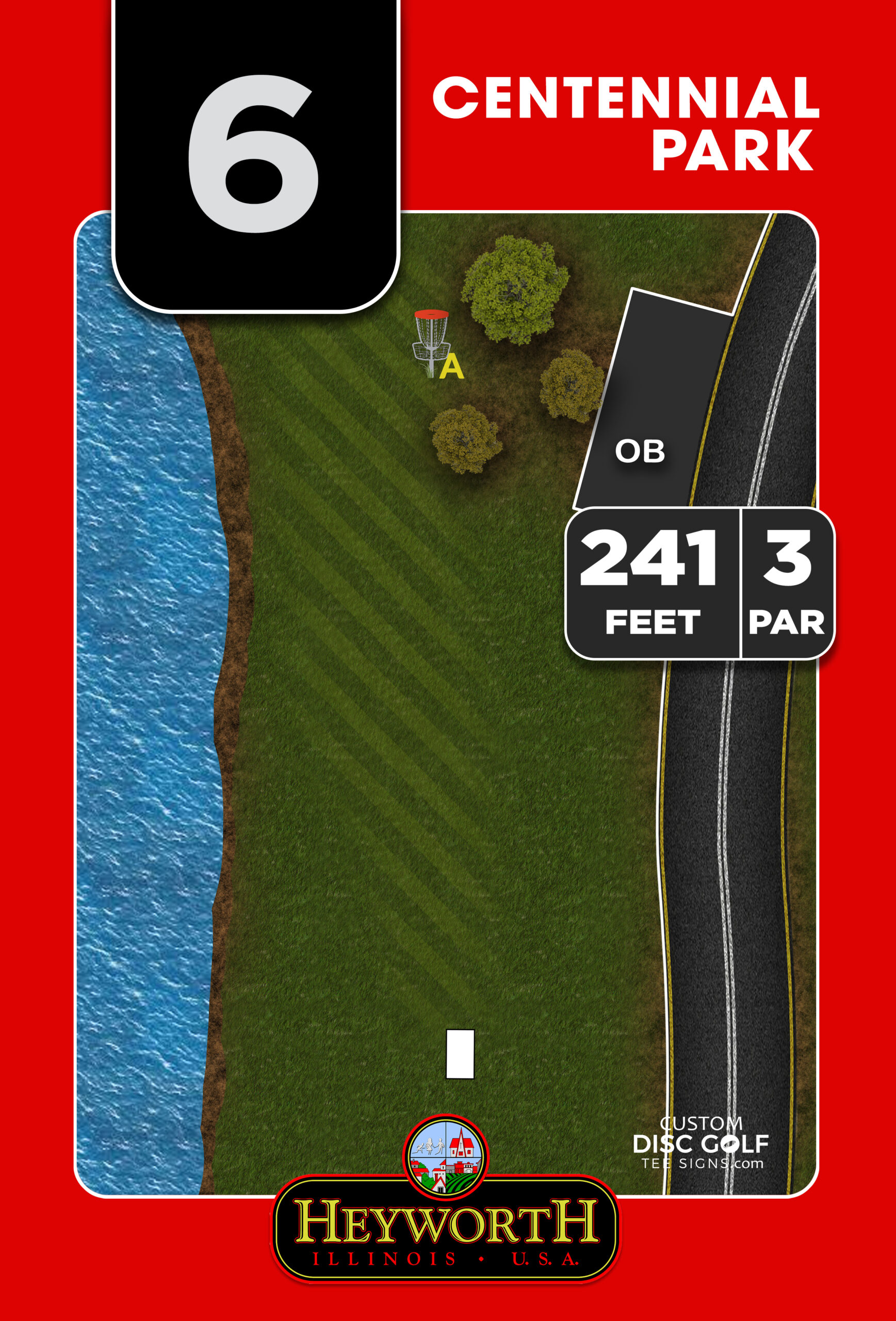
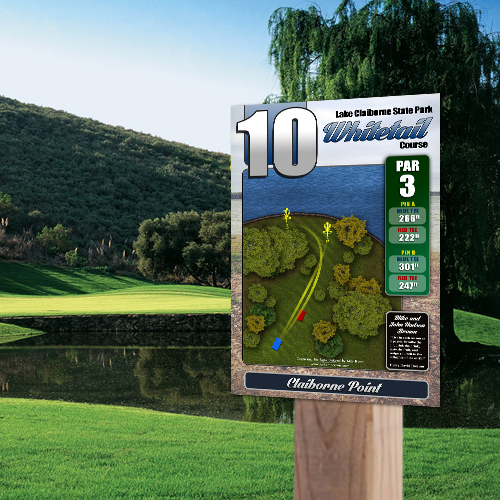
The most effective approach is to sell a defined sponsorship placement, not a vague request for a donation. Give each business a clear option: sponsor one tee sign, support a group of holes, appear on a course map, or become the presenting sponsor of the entire signage upgrade. Show a proof or sample layout so they understand how their name or logo will appear alongside useful hole information.
Pricing should be tied to the real project cost. Add the cost of sign design, materials, production, shipping, posts or mounting hardware, installation, and a modest contingency for replacements. Then divide the total into sponsorship opportunities that make sense for your market. A 18-hole course may find that one sponsor per tee sign is practical. A high-traffic destination course may support premium placements on course overview signs, kiosks, or tournament information boards.
Be careful not to oversell visibility. Many public agencies have rules governing commercial logos in parks, and some courses prefer a restrained look. Sponsor panels should complement the sign design rather than overwhelm the hole map or shot information. A clean, consistent sponsor area protects the player experience and gives every partner an equitable presentation.
2. Use Municipal and Park Improvement Budgets
For city recreation departments, county parks, and state park facilities, signage is infrastructure. It improves wayfinding, reduces confusion, supports safer use of shared park space, and helps staff maintain a professional public asset. That makes a tee sign package easier to justify than an expense framed only as a disc golf upgrade.
Prepare a short proposal that identifies current problems: missing distances, unclear next-tee routes, inconsistent sign sizes, faded graphics, or player complaints. Pair those problems with the operational benefit of replacement signage. Full-color hole layouts can clarify intended routes and hazards. Directional signs reduce wandering between holes. A course overview map helps first-time visitors orient themselves before they start.
The budget conversation is usually easier when the project is placed alongside other park maintenance needs. Show that durable, UV-protected aluminum composite or aluminum signs are intended for outdoor exposure and reduce the cycle of temporary replacements. The lowest initial cost is not always the best value if signs fade, crack, or require frequent redesigns.
Municipal funding may also work best as a shared investment. The agency can pay for core navigation and sign hardware while a club raises funds for premium graphics, sponsor panels, or an expanded course map. This structure gives public stakeholders control over essential information while allowing the disc golf community to raise the standard further.
3. Apply for Grants That Fit Community Outcomes
Grants can be valuable, but they are rarely the fastest source of funding. They require lead time, documentation, and a project story that extends beyond better-looking tee signs. The strongest applications connect signage to public recreation, outdoor access, tourism, youth engagement, health, accessibility, or community revitalization.
Look for local foundations, tourism bureaus, community development organizations, service clubs, and recreation-focused grant programs. A course located near a downtown district, campground, school, or trail system may have a particularly strong case because better signage helps visitors use the area with confidence.
Grant reviewers respond to specifics. Instead of saying the course needs signs, explain that the project will replace outdated markers with hole-specific layouts, visible distances, directional guidance, and a course overview. Include a detailed estimate and a realistic installation timeline. If sponsors, club funds, or municipal contributions will cover part of the project, identify that match. A project with local buy-in often appears more sustainable than one dependent on a single grant.
4. Let the Club Fundraise With a Defined Finish Line
Players are far more likely to contribute when they know exactly what their money will accomplish. “Help improve the course” is broad. “Fund 18 durable tee signs, a first-tee map, and next-tee navigation” gives donors a finish line they can picture.
A club can raise funds through leagues, doubles events, seasonal memberships, raffle items, bag tags, merchandise, or a dedicated improvement tournament. These methods work best when the project is visible before fundraising starts. Share the sign concept, the course map, the number of holes to be funded, and a running progress total. Recognition can be included for donors without turning the signs into a crowded list of names.
A fundraising event also creates an opportunity to involve people who do not play competitive rounds. Families, local businesses, and park supporters may contribute to a raffle, donate food, or sponsor a division. The event should still have a clear financial purpose. Set aside proceeds specifically for signage, keep the accounting separate, and communicate the result after the project is installed.
5. Phase the Project Without Creating a Mismatched Course
A complete signage system delivers the best visual and navigation experience, but not every organization needs to fund every component at once. Phasing is a practical answer when budgets are tight, especially for large properties or courses with major redesigns planned.
The key is to phase by priority while keeping one visual system. Start with the holes that create the most confusion, then install a course overview sign and critical next-tee directions. Follow with remaining tee signs as funds become available. Use the same design standards, materials, color palette, and sponsor placement rules from the beginning so the finished course looks intentional rather than pieced together.
Avoid ordering a small batch without confirming that the provider can maintain the same artwork and production approach later. Course data also changes. If basket positions, pars, or layouts are likely to shift soon, begin with permanent navigation elements and wait on hole-specific details that may need revision.
6. Partner With Nearby Businesses and Community Groups
Not every contribution needs to be cash. A local contractor may donate installation labor. A print-ready logo package from a sponsor can speed up design approval. A service club may underwrite the first-tee map because it benefits the broader park community. Eagle Scout project coordinators may organize installation support when the project fits their service goals and has agency approval.
These partnerships are most successful when responsibilities are written down early. Confirm who approves artwork, who supplies posts and hardware, who handles site preparation, and who is responsible for installation. Also establish whether sponsors are funding a fixed term or will remain on the sign for its usable life. Clear expectations prevent a successful fundraiser from becoming a difficult maintenance issue later.
7. Present a Professional Plan Before Asking for Money
Whether you are approaching a city council, a potential sponsor, or a club member, presentation affects funding. A polished sign concept makes the outcome feel real. It also demonstrates that the project is organized enough to handle sponsor logos, course details, proofing, production, and delivery without last-minute confusion.
Custom Disc Golf Tee Signs can support this process with course-specific artwork, structured proofs, durable material options, and sponsor-ready layouts. That matters because a sponsor proposal is stronger when it shows more than a placeholder rectangle. It shows the future course experience.
Before collecting commitments, verify every hole distance, par, tee location, basket location, route, and logo. Design changes are normal, but a disciplined proofing process is less expensive than fixing errors after installation. Give each stakeholder a deadline to review the final proof, then move forward with one approved version.
A course sign project does not have to wait for one large check. Start with an accurate scope, show people what their support will create, and offer a funding path that fits the character of your course and community. When the first professionally designed signs go in, supporters can see exactly where their investment went.