Disc Golf Sign Proofing Workflow That Works

A tee sign project usually does not go off track at printing. It goes off track three emails earlier, when a hole distance changed, a mando moved, or three different people approved three different versions. A clear disc golf sign proofing workflow prevents that kind of expensive confusion and keeps your course upgrade moving toward install instead of revision loops.
For clubs, park departments, municipalities, and volunteer-led course projects, proofing is where good signage becomes accurate signage. It is also where timelines are won or lost. You can have strong artwork, durable materials, and a solid budget, but if the review process is loose, small errors turn into delays, reprints, and field fixes that no one wants to pay for.
Why the proofing stage matters so much
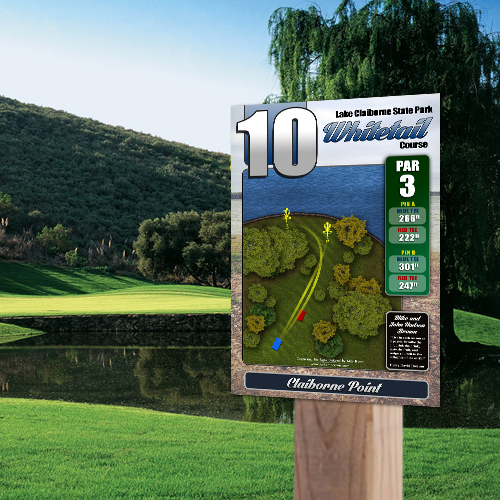
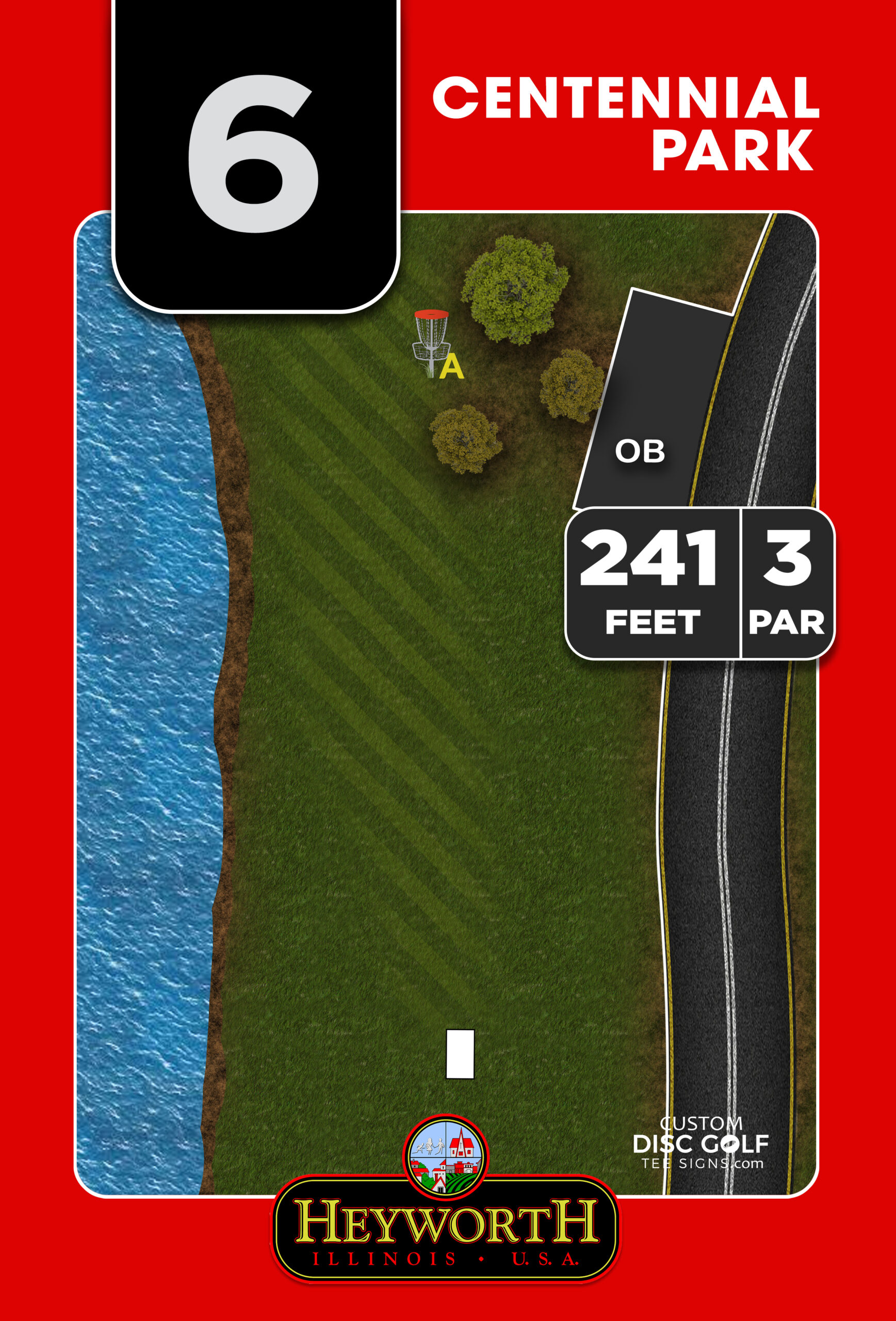
Disc golf signage is a detail-heavy product. Each sign may include tee location, basket position, par, distance, sponsor placement, directional information, branding, and a custom hole map. That means every proof carries both design decisions and operational decisions. If one of those details is wrong, the sign may still look polished while giving players bad information.
That is why proofing should never be treated like a quick visual check. It is a controlled review stage that confirms the artwork matches the actual course. On a public course, that matters for player experience, wayfinding, and credibility. On a private or tournament-ready course, it also affects presentation and how seriously the facility is perceived.
There is also a budget side to this. Most organizations do not want to spend money twice on the same sign. A structured review process catches mistakes before production, which is where corrections are easiest and least expensive.
What a strong disc golf sign proofing workflow looks like
The best workflow is not the one with the most approvals. It is the one with the fewest points of confusion. In practice, that means setting a single path from concept to final approval, with clear checkpoints and one person responsible for consolidating feedback.
A typical disc golf sign proofing workflow starts with asset collection. This includes hole distances, pars, preferred naming conventions, map notes, sponsor information, branding files, and any special requests such as alternate pin positions or local rules. If these details arrive in pieces over several days, proofing gets slower and less reliable. If they arrive in one organized package, the design stage moves faster and the proofs tend to be cleaner.
From there, initial concepts are created using the actual course information, not placeholder content. That matters because reviewers make better decisions when they can see the real sign in front of them. Once the first proof is ready, it should be reviewed for two separate things: visual design and factual accuracy. Combining those into a vague “looks good” response is where projects get messy.
Visual design covers hierarchy, legibility, color contrast, sponsor sizing, and whether the layout feels balanced. Factual accuracy covers distances, arrow directions, map orientation, tee and basket placement, hole numbers, park rules, and spelling. Some teams are better at one than the other. Separating those review lenses helps both.
Who should review proofs and who should not
This is where many projects slow down. More reviewers does not always mean better outcomes. In fact, too many decision-makers often create contradictory edits that push the same proof through unnecessary rounds.
The most efficient setup usually includes one primary project lead, one course-knowledge reviewer, and one final approver. On a municipal project, that might be a parks contact, a local course expert, and a department sign-off. On a club-led project, it may be the club president, the course designer, and a board representative. The key is that feedback gets consolidated before it is sent back.
What usually does not help is open-ended group review by committee. If ten players all comment on pin placement labels, map styling, and sponsor logo size without a designated lead, the process becomes slower and less accurate. You may still want broad input early in the planning stage, but proofing works best when the review group is small and accountable.
The most common proofing mistakes
Most proofing errors are predictable. Distances are a common one, especially if hole measurements have changed over time or if multiple sources are being used. The sign might reflect an old scorecard while the current layout is different. Another common issue is map orientation. A hole map can be technically attractive and still be confusing if it does not match what players see from the tee.
Sponsor problems also show up often. Wrong logos, outdated businesses, low-resolution files, and unclear placement requests can all delay approval. If sponsorship is helping fund the project, those details need to be handled with care. The sign has to look professional for the course and valuable for the sponsor.
Then there are the small production-related misses that are easy to overlook on screen. Text that feels readable on a monitor may be too small on the installed sign. Colors that seem distinct in a design file may lose contrast outdoors. This is where working with a disc-golf-specific signage partner matters. The proof should reflect not just graphic design taste, but how the sign will perform in the field.
How to speed up approvals without cutting corners
A faster process starts before the first proof is ever sent. If your organization can appoint one main point of contact and gather complete course information up front, the project will move more smoothly. That includes confirming current hole data, naming conventions, sponsor commitments, and whether there are any pending layout changes.
It also helps to decide early what is still flexible and what is already locked. If the basket location on hole 7 may change next month, that is not a proofing problem. It is a scope problem. The same goes for branding debates or sponsor additions that appear late in the process. Proofing should refine a defined sign package, not carry the burden of unresolved planning.
Clear feedback speeds things up too. “Can we make hole 4 easier to read?” is vague. “Increase the distance text size by 15 percent and move the sponsor box lower” is actionable. Good proofing communication is specific, consolidated, and version-aware. Everyone should know which file is current and which comments have already been resolved.
Building a proof that installs well in the real world
A proof is not only for approval. It is also a preview of installation success. That means reviewing the sign in context. Is the directional cue obvious from the tee pad? Does the map read quickly for first-time players? Will the sponsor area still feel clean after mounting hardware is added? These are not abstract design questions. They affect how the finished course functions.
Material choice can shape proofing decisions too. A championship-level aluminum sign with full-color custom mapping may support more visual detail than a simpler navigation sign package. That does not mean every sign should be packed with information. It means the proof should match the purpose of the sign and the level of the course.
Public parks often benefit from a clean, durable layout that is easy to review and easy to maintain. Tournament destinations may want deeper hole data, stronger branding, and more polished sponsor integration. Neither approach is automatically better. The right proof is the one that matches your players, your budget, and your course goals.
Why a specialized workflow makes a difference
General sign proofing and disc golf sign proofing are not the same thing. A standard sign vendor may understand print specs but miss what matters on a tee sign, such as how players read flight paths, how next-tee cues affect navigation, or how sponsor placement interacts with the hole map. A specialized workflow is built around those realities.
That is why Custom Disc Golf Tee Signs structures proofing around real course use, not just file approval. The goal is to help project leaders move from rough information to final signs without losing clarity, consistency, or time along the way. When the workflow is right, approvals feel organized, not chaotic.
For buyers managing public funds, club budgets, sponsor expectations, or volunteer coordination, that structure matters. It reduces revision fatigue. It gives decision-makers confidence. And it helps the final signs do what they are supposed to do – guide players, present the course professionally, and hold up as a long-term improvement.
A good proofing process is not paperwork. It is quality control for the course experience. If your next signage project starts with a clear workflow, the finished signs are far more likely to look right, read right, and stay right from the first install onward.