Disc Golf Tee Signage Benefits That Matter
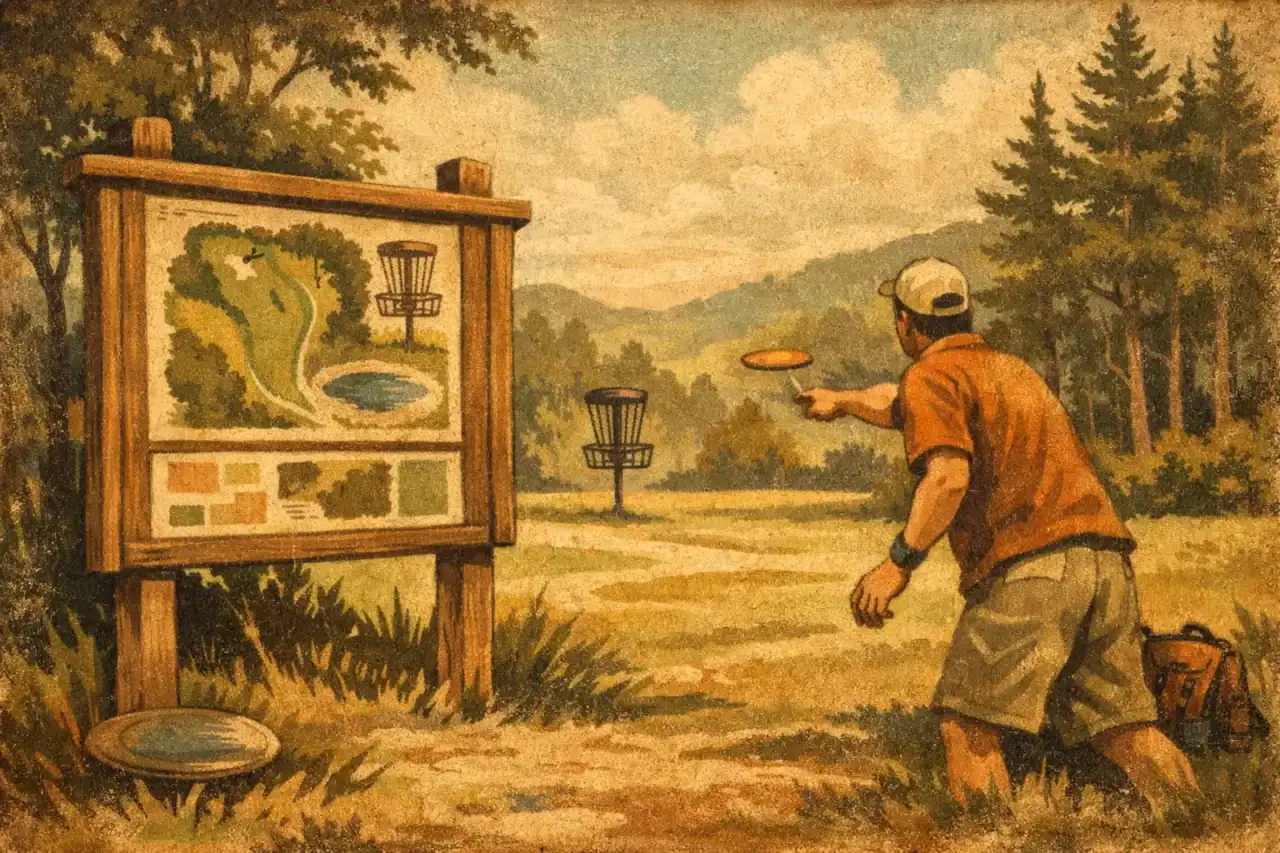
A player steps onto hole 1, looks around, and immediately knows the line, distance, par, next tee direction, and any out-of-bounds to avoid. That moment is where disc golf tee signage benefits become obvious. Good signs reduce confusion, speed up play, improve safety, and make a course feel organized from the first throw.
For course managers, clubs, parks departments, and volunteer leaders, tee signs are not a cosmetic extra. They are part of the course infrastructure. When signage is clear, durable, and designed for the layout in front of the player, it supports the way the course operates every day.
Why disc golf tee signage benefits go beyond appearance
A sharp-looking sign does matter. It tells players the course is maintained, taken seriously, and worth respecting. But the real value runs deeper than appearance.
Tee signage helps players make faster decisions. It reduces the number of people wandering down the wrong fairway or walking ahead without understanding the intended flight path. It gives first-time visitors the confidence to play without needing a guide. For public courses especially, that matters because many users will arrive with no prior knowledge of the layout.
There is also a practical management benefit. When signage answers common questions on the tee, fewer issues have to be handled by staff, club members, or volunteers. The course becomes easier to use on its own, which is one of the clearest returns on a signage investment.
Better navigation creates a better course experience
Navigation is often the first problem players notice on a course with weak signage. If the tee area is unclear, the basket placement is not shown, or the next tee direction is missing, the round slows down immediately.
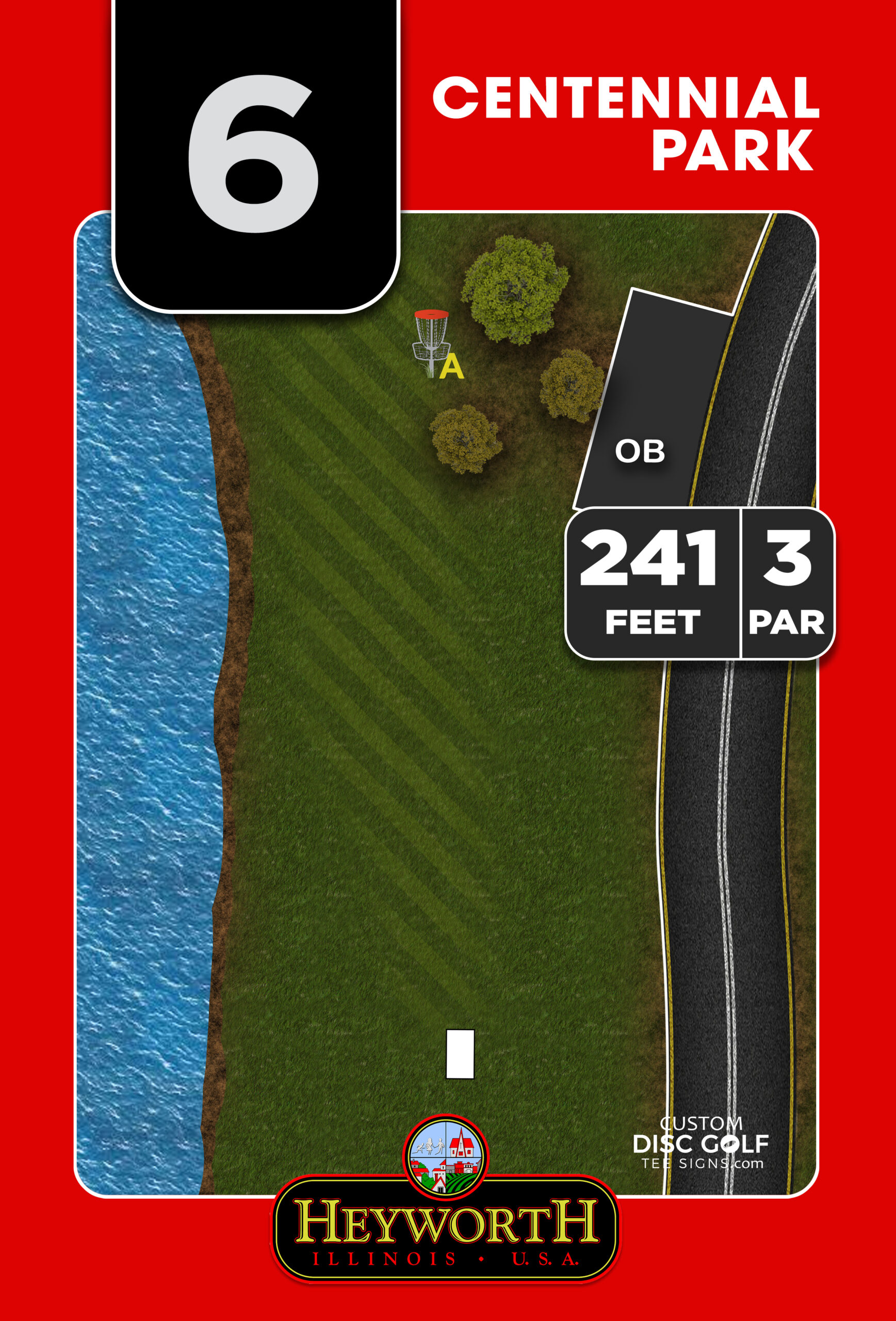
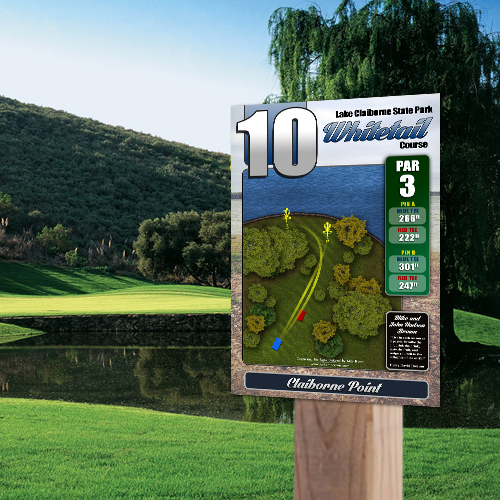
Well-designed tee signs solve that by presenting the information players need at the exact point they need it. A proper layout graphic, accurate distance, tee designation, basket position, par, and directional cues all work together to keep groups moving. On busier courses, that can make a noticeable difference in pace of play.
This is especially important on courses with multiple pin positions, alternate tees, shared-use park space, or wooded fairways where the basket is not visible from the pad. The more complex the layout, the more value the sign provides. On a simple beginner course, signage still helps. On a championship-level course, it becomes essential.
Clear signs reduce frustration for new and visiting players
Experienced local players can often work around missing information because they already know the course. New players cannot. Traveling players cannot. Event participants on an unfamiliar layout definitely cannot.
When signs are consistent from hole to hole, visitors spend less time guessing and more time playing. That improves the overall impression of the course and increases the chance that players return, recommend it, or support future improvements. For municipal and park decision-makers, that positive user experience reflects directly on the facility.
Safety is one of the most overlooked disc golf tee signage benefits
Safety is not always the first thing people mention when discussing tee signs, but it should be near the top. A well-made sign helps players understand where to throw and where not to throw.
That includes identifying mandatory routes, out-of-bounds areas, hazards, water carries, walking paths, roads, and neighboring fairways. On multi-use properties, it may also mean communicating where pedestrians, playgrounds, picnic areas, or maintenance zones come into play. When players can see those conditions before they tee off, they make better decisions.
Signage also supports safer movement around the course. Directional information to the next tee keeps players from crossing active fairways or backtracking into landing zones. If a course has a few holes with known conflict points, those holes should have especially clear tee graphics and directional support.
Signs will not solve every safety issue on their own. Course design and traffic flow matter too. But signage is one of the most cost-effective ways to reinforce intended play and reduce preventable mistakes.
Professional signage raises the perceived quality of the course
Players notice when a course feels complete. Concrete tees, maintained fairways, benches, trash management, and signage all contribute to that impression. Among those elements, tee signs are one of the most visible.
A course with inconsistent, faded, homemade, or outdated signs can feel neglected even if the layout itself is excellent. On the other hand, professionally designed signage helps the course present itself as established and cared for. That matters for public reputation, tournament readiness, sponsorship outreach, and stakeholder confidence.
For clubs trying to advocate for upgrades, quality signage can also be a proof point. It shows that the project is organized, thoughtful, and built for long-term use rather than temporary fixes. That is often important when working with municipalities, parks boards, donors, or community partners.
Signage helps unify branding and course identity
A disc golf course is part recreation space, part community asset. Strong signage helps it feel like both.
Custom graphics, course logos, color standards, and map styles create a consistent identity from hole 1 to hole 18 and beyond. That consistency is useful for more than aesthetics. It helps players trust the information in front of them because the system feels intentional and easy to follow.
For established clubs and destination courses, branding can support recognition. For newer public courses, it can help create that identity from the start.
Durable materials protect your investment
Not all tee signs deliver the same long-term value. This is where many projects run into trouble. A sign may look fine when installed, but if it fades quickly, warps, delaminates, or becomes unreadable after a season or two, the project ends up costing more than expected.
Durable materials and UV-protected printing matter because tee signs live outdoors full time. They deal with sun exposure, rain, snow, humidity, impact, and routine wear. The right substrate depends on the environment, budget, and desired lifespan, but longevity should always be part of the buying decision.
This is one of those areas where the cheapest option is not always the most affordable over time. Replacing poor signage, redoing artwork, and reinstalling signs can quickly erase the initial savings. For courses planning a serious upgrade, it makes more sense to choose materials built for outdoor performance from the beginning.
Tee signs can help offset project costs through sponsorships
One of the most practical disc golf tee signage benefits is the ability to create sponsor space without cluttering the course. For many clubs and public projects, that is what turns signage from a good idea into an approved budget item.
A thoughtfully designed sign can include sponsor placement in a way that remains clean and readable while giving local businesses visibility. That support can fund part of the project or, in some cases, most of it. It also creates a more structured sponsorship program than improvised signs or temporary displays.
The key is balance. If sponsor placement overwhelms the hole information, the sign stops doing its main job. But when integrated properly, sponsorship adds financial value without sacrificing usability. That is especially helpful for nonprofit clubs, municipal partnerships, Eagle Scout projects, and community-led course improvements.
Custom design matters more than generic templates
Every course has its own routing, terrain, hazards, and player base. That is why generic sign layouts often fall short. They may fit a basic map and a few data points, but they rarely communicate the real playing conditions of a specific hole.
Custom design allows the sign to match the course rather than forcing the course into a standard format. That can include hole-specific diagrams, elevation cues, pin options, local rules, branding elements, and sponsor placement that feels intentional. It also makes proofing easier because stakeholders can review signage that reflects actual course conditions.
For decision-makers managing a project with multiple voices involved, a structured design process is a major advantage. Clear proofs, revisions, and standardized formatting reduce confusion and help move the project forward faster. That is one reason many organizations choose a disc-golf-specific partner rather than a general print shop.
The right signage supports events, growth, and long-term maintenance
Tee signs are not just for current players. They support where the course is headed.
If you plan to host leagues, tournaments, school groups, clinics, or tourism traffic, signage becomes part of your operational readiness. Guests need to understand the course quickly. Event organizers need a layout that communicates clearly. Parks staff need infrastructure that does not create constant upkeep issues.
There is a trade-off to consider. A highly detailed sign can be useful on technical holes, but too much information can become hard to read at a glance. The best signage projects balance clarity, durability, branding, and budget based on the course’s actual needs. A small community course may need a simple, durable system. A flagship course may justify a more advanced package with full-color layouts, custom shapes, course overview boards, and sponsor integration.
That is why the strongest signage projects start with the same question: what does this course need players to understand, and how will the signs hold up over time? At Custom Disc Golf Tee Signs, that project-based approach is what helps courses move from patchwork signage to a system that looks professional and works every day.
If your course is ready for an upgrade, the best tee signs do more than mark a hole. They make the course easier to play, easier to manage, and easier to take pride in.