Disc Golf Tee Signs That Raise Course Standards
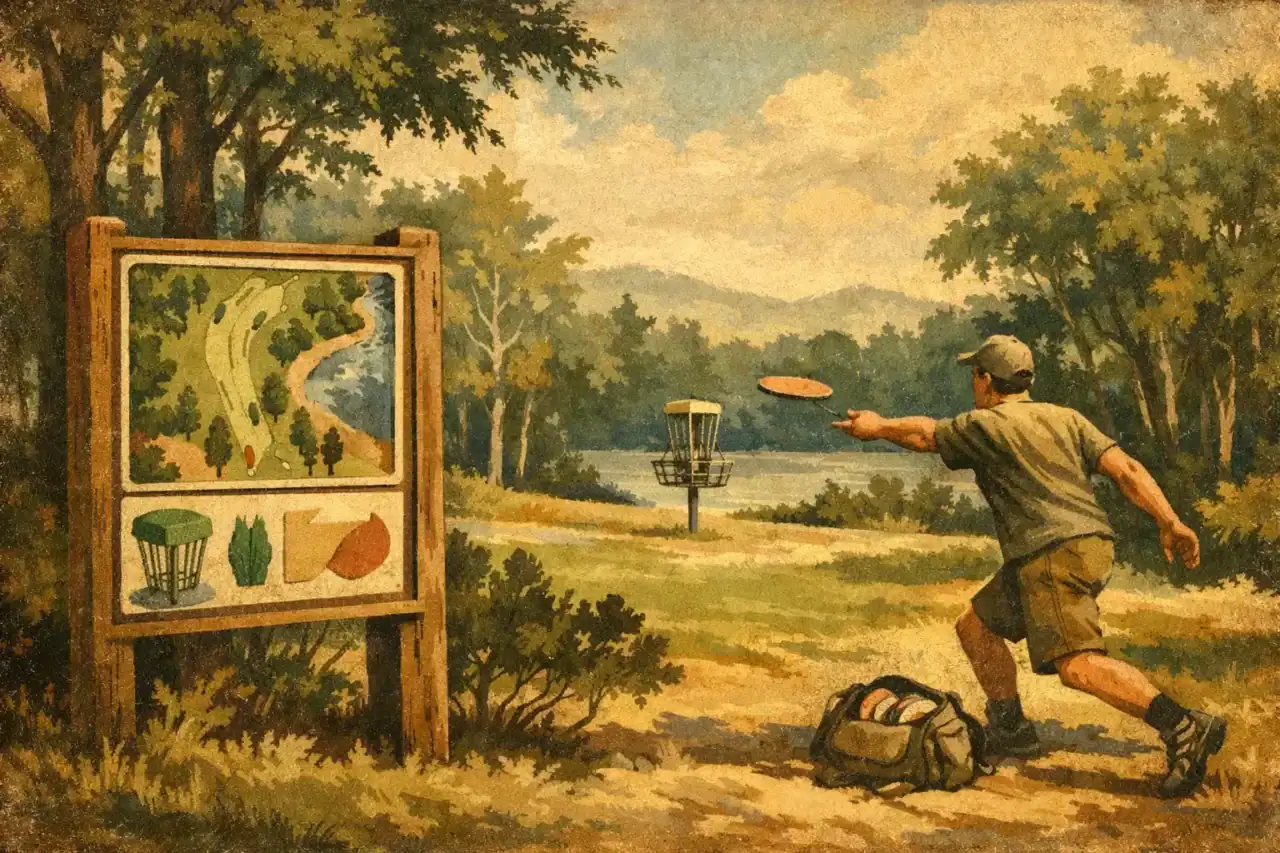
A player should not have to guess where the fairway goes, whether the pin is behind the trees, or which route makes sense for their skill level. Quality tee signs answer those questions before the first throw. For course managers, clubs, municipalities, and volunteer organizers, they also signal that the course is cared for, thoughtfully maintained, and ready to welcome new and returning players.
A basket and a tee pad create a hole. A well-designed sign turns that hole into a clear, playable experience. Whether you are improving an established public course or opening a new championship layout, the right signage system helps every player move through the course with more confidence.
Why Disc Golf Tee Signs Matter
Disc golf courses often serve a wide range of players on the same day. A local league player may know every landing zone, while a first-time visitor may not know where hole one begins. A strong tee sign gives both players the information they need without slowing down the round.
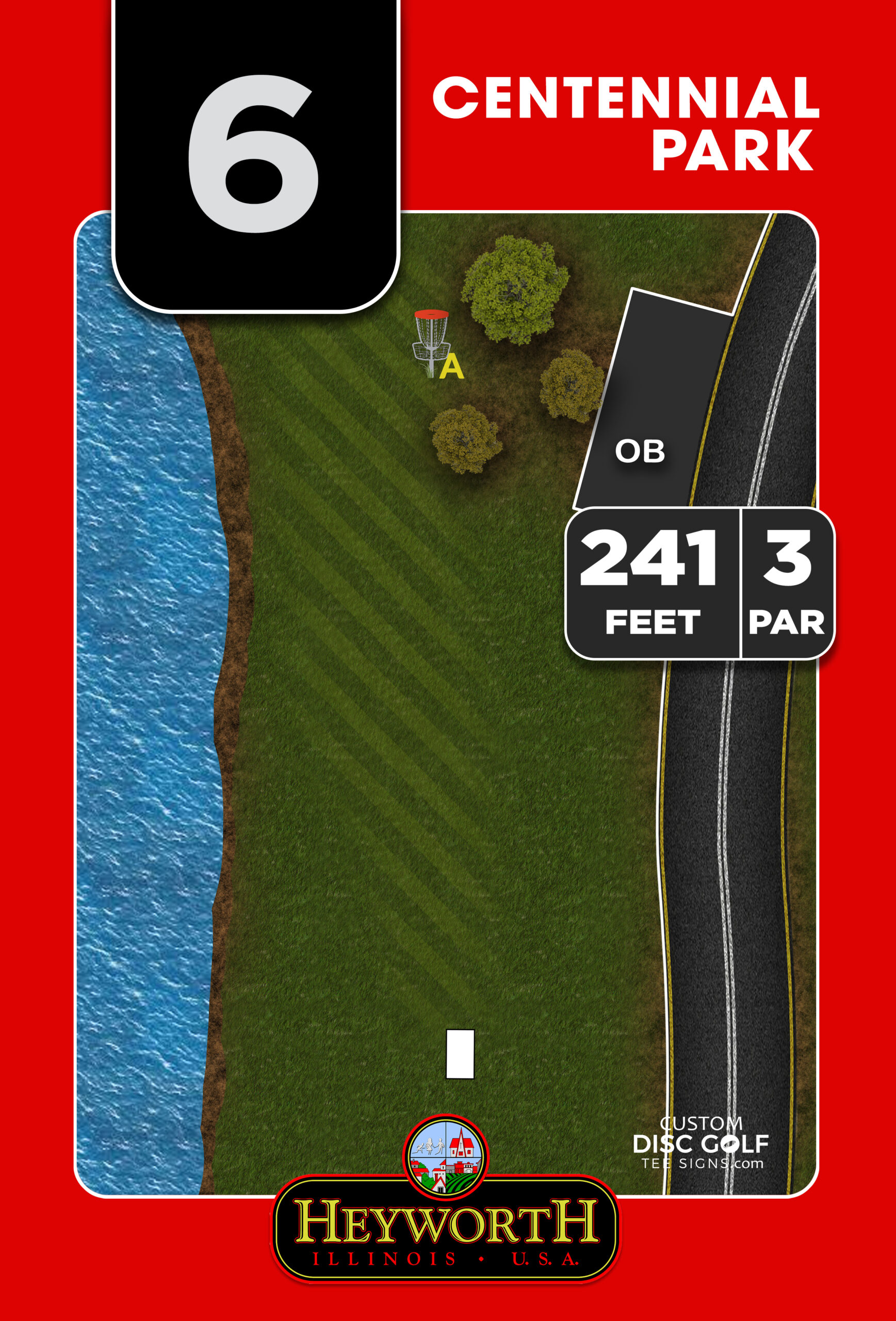
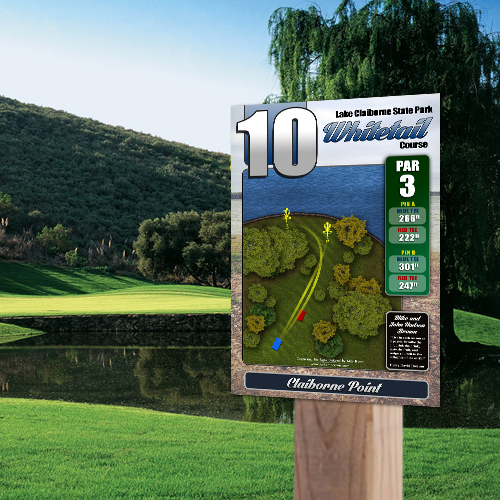
At a minimum, a sign should identify the hole number, par, distance, and basket location. But the best signs go further. They show the fairway shape, hazards, out-of-bounds areas, alternate pin positions, mando routes, and key landmarks. That added clarity prevents unnecessary searching, reduces player frustration, and helps groups keep pace.
For parks and public facilities, clear signage also reduces operational friction. Fewer lost players means fewer questions for staff, fewer people wandering through sensitive areas, and fewer complaints that a course is difficult to follow. It is a practical upgrade with a visible impact on the entire facility.
What Effective Tee Signs Include
Every course has different terrain, rules, player traffic, and budget requirements. The information on your signs should match the course rather than follow a generic template. Still, the most useful tee signs generally combine four essential elements: hole information, an accurate layout, wayfinding details, and visual course branding.
Hole Information Players Can Read Quickly
The most frequently referenced details need to be immediately visible. Hole number, distance, and par should be large enough to read from the tee pad. If your course uses multiple tees or baskets, identify the relevant distances clearly. Color coding can help, provided it remains consistent across the entire course.
If a hole has special rules, include them where they are needed. A simple out-of-bounds note, mandatory direction arrow, or drop-zone marker can prevent confusion before it begins. The goal is not to crowd the sign with every possible detail. It is to prioritize the information that affects the next throw.
Accurate Hole Maps
The map is where disc-golf-specific design matters most. A straight-line graphic may be enough for an open park hole, but wooded fairways, water carries, elevated baskets, doglegs, and split routes need more context.
A useful map shows the actual playing shape of the hole, not just the distance between tee and basket. It can identify tree lines, rough, roads, creeks, walking paths, elevation changes, and important landmarks. When players can visualize the hole before stepping onto the pad, they make better decisions and enjoy the round more.
High-resolution aerial imagery and course-specific artwork can make a major difference here. They allow the sign to communicate real conditions while still looking organized and easy to scan. This is especially valuable when a course has been redesigned and old signs no longer match the layout.
Navigation Beyond the Tee Pad
Tee signs are part of a larger wayfinding system. A player may understand hole seven perfectly and still be unsure how to find hole eight. Course overview signs, next-tee arrows, parking-area maps, and directional markers work alongside tee signs to keep the round moving.
For larger properties, a course map near the entrance is often one of the most valuable additions. It gives visitors a quick understanding of the layout, amenities, parking, restrooms, practice areas, and any shared-use zones. It also gives event directors a polished tool for welcoming tournament players.
Branding That Fits the Course
A consistent visual system makes a course feel established. The same logo, colors, type styles, map symbols, and sign layout should carry from the entrance to every hole. That consistency is not just cosmetic. It helps players recognize information faster as they move through the course.
A municipal park may want a clean system that aligns with its recreation department identity. A private course may want a more distinctive championship look. A club-led project may center its local logo, event history, or community character. Custom design gives each course room to look like itself while still keeping the information clear.
Choosing Materials for Real Course Conditions
Disc golf signs live outdoors year-round. They face UV exposure, rain, snow, humidity, wind, mower debris, thrown discs, and the occasional unintended impact. Material selection should be based on your local conditions, sign size, mounting system, and expected lifespan.
Aluminum composite is a popular choice for many courses because it offers a professional appearance, strong weather resistance, and a practical balance of durability and cost. Aluminum can be the better fit when a project calls for added strength or a premium finish. In either case, UV-protected full-color printing is essential for keeping maps, colors, and text readable through changing seasons.
The cheapest sign is not always the least expensive choice over time. A sign that fades, warps, or becomes difficult to read can force a replacement project sooner than expected. Investing in durable materials and accurate design at the beginning can protect the course budget later.
Building a Sign Package Around Your Budget
Not every project needs the same level of signage. A nine-hole beginner course may need straightforward hole markers, course rules, and basic navigation. A high-traffic destination course may benefit from detailed full-color maps, sponsor panels, championship-level layouts, and custom-shaped signs that reinforce the course identity.
The right package depends on what problem you are solving. If players are getting lost, prioritize overview maps and next-tee markers. If the course has technical woods holes or multiple layouts, invest in clear mapping. If the course needs a stronger public presentation for events, tourism, or community support, a coordinated premium signage system may be worth the additional investment.
A phased approach can also work well. Start with the holes that create the most confusion, then complete the full course as funding becomes available. The key is to establish a consistent design standard early so future signs match the system rather than creating a patchwork look.
Using Sponsorships to Fund Better Signs
Sponsorship space can help clubs and community organizers pay for a higher-quality signage project without shifting the full cost to one budget. Local businesses often appreciate visibility on a well-used public course, particularly when the sponsor placement is clean, readable, and professionally integrated into the design.
The best sponsor panels feel like part of the sign rather than an afterthought. They should support the hole information, not compete with it. Reserve a consistent location for sponsor logos or messages, set clear size guidelines, and use the same placement throughout the course.
For an Eagle Scout project, club fundraiser, or municipal partnership, sponsorships can also make stakeholder approval easier. A structured plan shows where funds are going and demonstrates that the project has long-term value for the community.
A Better Process Produces Better Signs
Great signage is not created by sending a logo to a generic printer and hoping for the best. It starts with course information: hole distances, par, layouts, aerial references, rules, branding assets, sponsor needs, and any special features that players need to understand.
From there, a course-specific design and proofing process gives decision-makers a chance to review details before production. That step matters. It is much easier to correct a distance, adjust a route line, update a logo, or clarify an out-of-bounds area in a proof than after signs are installed.
Custom Disc Golf Tee Signs helps organizations move through that process with professional design support, durable full-color materials, fast turnaround, and free shipping. The objective is not simply to print signs. It is to create a coordinated system that works for your course, your players, and your project budget.
When your signs make the next shot obvious, help players find the next tee, and reflect the pride behind the course, every round begins to feel more organized before a disc ever leaves a hand.