Disc Golf Signage Budget Guide for Better Courses
A new course sign can look like a simple line item until the project reaches the final holes. Then the real questions show up: How many signs are needed? Does every hole need a detailed layout? Who is installing posts? Can local sponsors help cover the cost? This disc golf signage budget guide helps course managers, clubs, municipalities, and volunteer leaders plan a complete system without cutting the pieces that make signage useful for years.
The best budget is not the lowest number on a quote. It is the number that delivers clear navigation, consistent course branding, durable materials, and a process your stakeholders can approve with confidence. A few well-planned decisions at the beginning can prevent mismatched signs, missing information, and expensive replacements later.
Start With the Player Experience You Need to Deliver
Before assigning dollars to individual signs, define what a player should be able to do from the parking lot to the final basket. On a well-signed course, first-time visitors can find the first tee, understand the hole they are playing, identify the correct basket location, and move confidently to the next tee. Tournament players should be able to read the layout quickly without disrupting pace of play.
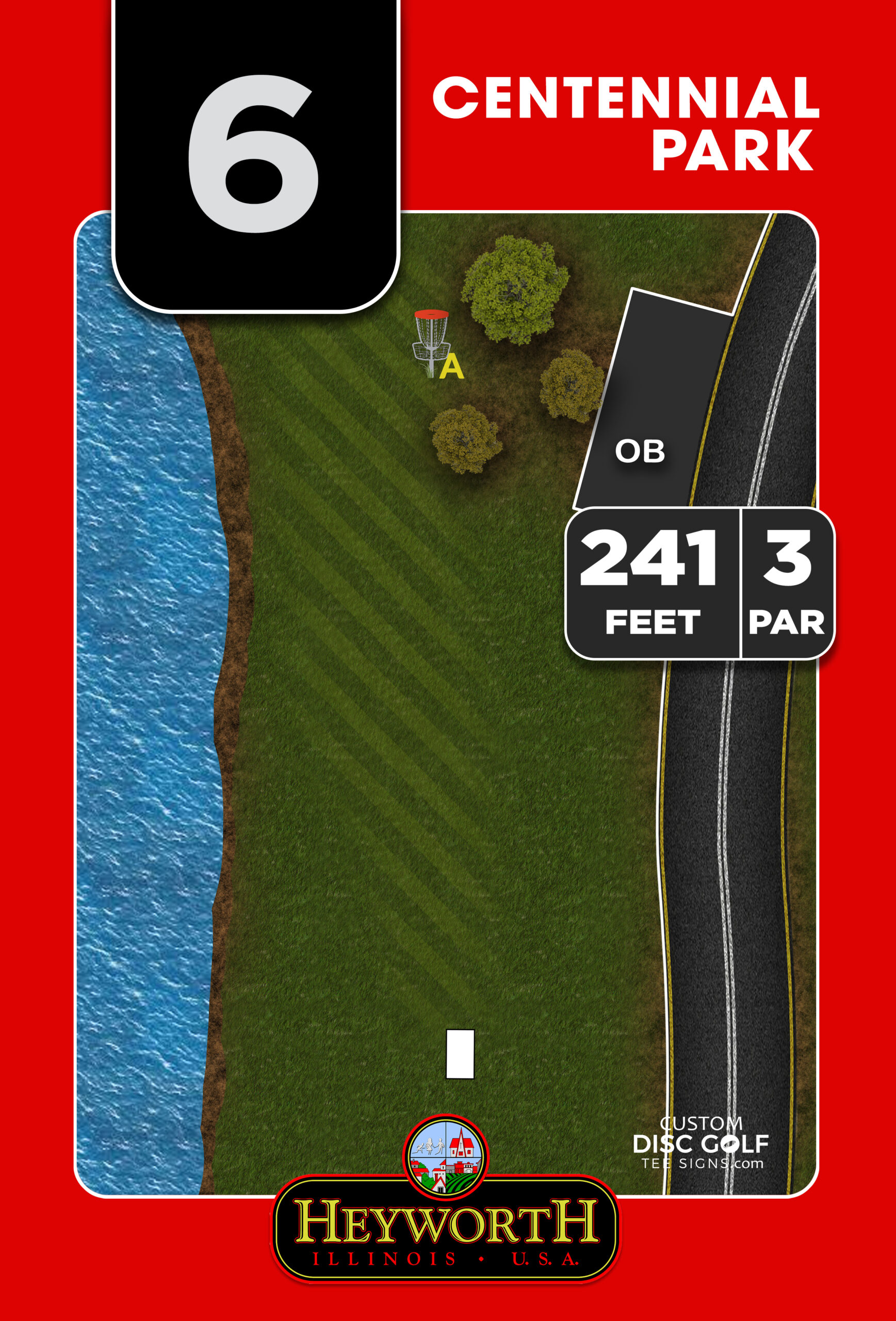
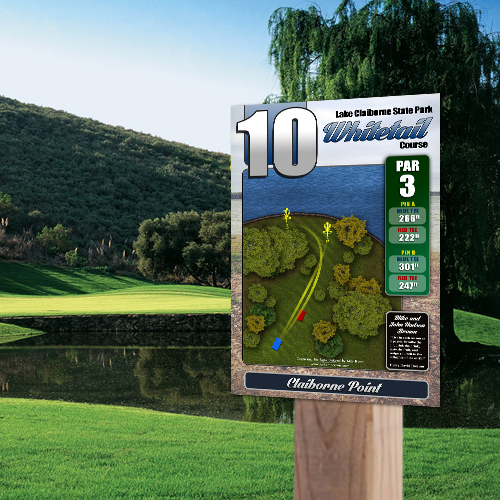
That outcome determines your signage scope. A basic navigation package may focus on directional signs, tee identifiers, and a course overview. A more complete system includes full-color tee signs with distance, par, hole maps, OB markings, alternate pin positions, sponsor areas, and branded visual elements. Championship-level projects may add custom-shaped signs, larger overview maps, rules displays, practice-area signs, and polished wayfinding throughout the property.
There is no single right package for every course. A nine-hole community course with simple routing has different needs than a multi-layout destination course in a busy park. The key is to avoid budgeting only for tee signs when the course also needs a visible entrance map, navigation at confusing transitions, and consistent information at every decision point.
Build a Disc Golf Signage Budget in Three Layers
A practical disc golf signage budget separates essential wayfinding, player information, and long-term presentation. This makes it easier to explain the project to a parks department, board, sponsor committee, or fundraising group.
The first layer is essential wayfinding. Include an entrance or kiosk map, signs to the first tee, directional signs at unclear transitions, and hole identification where needed. These pieces solve the most immediate frustration: players getting lost. They are especially valuable on public courses where visitors may arrive without local knowledge or a course map on their phone.
The second layer is tee sign information. This is usually the center of the project budget because each hole requires its own design, production, and installation plan. Decide whether every sign will show only hole number, par, and distance, or whether it will include a high-resolution layout, hazards, mandatories, pin locations, throwing notes, and sponsor placement. More detail improves usability, but it also requires accurate course information and thoughtful design.
The third layer is presentation and durability. This includes branded headers, full-color artwork, premium substrates, UV protection, custom shapes, and coordinated course maps. These features are not simply decorative. A professional, unified sign system helps a public course feel maintained, credible, and ready to host leagues, events, and new players. Still, if the budget is tight, prioritize clarity and durable construction before adding premium visual extras.
Know What Actually Drives Signage Cost
Sign count is the most obvious cost driver, but it is not the only one. A 18-hole course with one sign per hole is not automatically a simple 18-sign project. Alternate tees, alternate baskets, shared fairways, complex crossings, and long walks between holes can all increase the number of signs required.
Design complexity matters as well. Clean, legible tee signs require accurate distances, par, fairway shapes, basket positions, hazards, and routing details. If course data is incomplete or changes during production, revisions can slow the project and affect the final cost. Gathering dependable information before design begins is one of the best ways to protect the budget.
Material selection should be treated as a lifecycle decision. Temporary or low-cost materials can be appropriate for a short-term installation, a course still under construction, or signs likely to change soon. For established public courses, durable outdoor substrates such as aluminum composite or aluminum are often a smarter investment. They are built to handle sun, weather, cleaning, and regular play without quickly fading or looking neglected.
Installation is another budget category that deserves its own line. Sign production and sign installation are different jobs. Your project may need posts, frames, concrete, hardware, tools, excavation, labor, permits, or park maintenance coordination. Confirm who owns each responsibility before placing the order. A polished sign that sits in storage because posts were not approved does not improve the course.
Finally, account for shipping, proofing, and revisions. A partner that provides professional design support, a structured proofing process, and free shipping can remove uncertainty from the project. Just as important, make sure every decision-maker knows when proofs must be reviewed and approved. Delayed feedback is one of the most common reasons signage projects lose momentum.
Choose the Right Level of Customization
Customization should serve the course, not complicate it. For many municipal and club-owned courses, a consistent full-color template customized with the course logo, hole data, and layout artwork provides the best balance of cost, speed, and professional appearance. It creates a unified system while keeping the design process efficient.
A higher level of customization makes sense when the course has a strong identity, a visible tourism role, major events, or a unique property layout. Custom-shaped signs, branded map design, and premium graphics can make the course memorable before a player throws the first shot. They can also give sponsors a cleaner, more valuable placement opportunity.
Do not assume that every sign needs the same amount of detail. A straightforward 220-foot open hole may need a clean, readable layout. A wooded par 4 with an alternate pin, creek OB, and a crossing trail needs more visual guidance. Matching the information level to the hole keeps players informed without overcrowding the sign face.
Use Sponsorships to Protect the Core Budget
Sponsorships can turn a difficult capital request into a manageable community project. The most effective sponsor program is built into the sign design from the beginning, rather than added as an afterthought after the signs are already approved.
Offer sponsors a visible but controlled placement area on individual tee signs, an entrance map, or a dedicated sponsor board. The placement should support the course brand and remain readable without competing with the hole information players need. Local businesses are more likely to participate when the package is clearly defined: what they receive, how long it will remain in place, and where their name or logo will appear.
For a club or Eagle Scout project, sponsorships can also create a practical fundraising structure. Divide the project into understandable opportunities, such as sponsoring a hole, a course map, or a group of navigation signs. Be transparent about whether sponsorship funding covers production only or also contributes to posts and installation.
Keep renewal in mind. If sponsors will be updated every one, two, or three years, design the sponsor area so it can be replaced without remaking the entire sign system. This small planning choice can lower future maintenance costs and keep sponsor relationships active.
Avoid the Budget Mistakes That Create Rework
The most costly signage mistakes usually begin with incomplete planning, not poor intentions. Ordering signs before confirming the final hole layouts can result in wrong distances, outdated basket positions, or missing alternate configurations. A temporary course change can be handled with a small update, but a permanent redesign should be settled before artwork enters final proofing.
Another mistake is treating every sign as an isolated purchase. Players experience the course as one system. If the entrance map uses different colors, terminology, and hole numbering than the tee signs, the course feels confusing even when each individual sign is attractive. Budget for a coordinated design language from the start.
It is also risky to reduce material quality without considering the setting. A shaded private course may have different demands than a bright, high-traffic municipal park exposed to year-round weather and frequent maintenance. Ask how the signs will be mounted, cleaned, and protected, then choose materials that fit those conditions.
Create a Clear Approval Path Before You Order
A strong project begins with one person or small committee responsible for collecting course information and managing feedback. Provide the sign designer with a current course map, hole distances, pars, basket and tee variations, logos, branding standards, sponsor requirements, and photos or notes on unusual routing. The more complete the source material, the faster the proofing process can move.
Set a review deadline for each stakeholder group. Park staff may need to verify branding and installation rules, while course designers or club leaders verify the playing information. Sponsors may need to approve logo usage. Give each group a specific role so every proof does not become an open-ended committee discussion.
Custom Disc Golf Tee Signs works with course teams through this kind of design-to-proofing process, helping turn course-specific information into durable, full-color signage that is ready to install. The goal is not to force a generic template onto a unique course. It is to give the course a clear, professional system that fits its layout, identity, and budget.
Start by identifying the signs players need most, then build outward as funding allows. A well-planned first phase can immediately improve navigation and course presentation while creating a strong foundation for future tee signs, sponsor additions, and premium upgrades.