How to Organize Course Sign Projects Right

A course sign project usually starts the same way: someone finally says the current signs are not good enough. Players are missing turns, first-timers are asking where the next tee is, sponsors are not represented well, and the course looks less polished than it should. If you are figuring out how to organize course sign projects, the biggest mistake is treating signs like a quick print job instead of a full course upgrade.
Good signage affects more than appearance. It improves navigation, speeds up play, reduces confusion, supports tournaments, and gives your course a more professional identity. It also involves more moving parts than most clubs, parks departments, or volunteer groups expect at the beginning.
How to organize course sign projects from the start
The most efficient projects begin with scope, not artwork. Before anyone discusses colors or layouts, define what the course actually needs. Some courses only need tee signs replaced. Others need a complete system that includes tee signs, next-tee guidance, course overview boards, and map signage.
That early decision matters because it shapes everything that follows: budget, sponsor strategy, design workload, material selection, and installation planning. A small refresh can move quickly. A full signage system requires tighter coordination and clearer approvals.
It helps to assign one lead contact, even if several people are involved. When clubs, parks staff, board members, and volunteers all provide feedback separately, projects slow down fast. A single point of contact keeps revisions manageable and prevents conflicting directions.
Start with a full course audit
Before you request designs or pricing, walk the course and document what is already there. Take current photos of every tee area, every map kiosk, and every problem point where players tend to get lost. Note missing signs, outdated hole data, damaged posts, and any holes that have changed since the original layout was created.
This is also the time to confirm practical details. Are basket positions fixed or rotating? Have tee pads been moved? Are there alternate pin placements that should appear on the sign? Does the course have local rules, safety notes, or branding standards from the city or parks department?
A sign project gets expensive when old information makes it into final production. The more accurate your audit is, the smoother proofing and installation will be.
Build the project around clear priorities
Not every course has the same goals, and that affects how the project should be organized. A municipal course may care most about durable wayfinding and a clean public-facing appearance. A club-run championship course may prioritize detailed hole maps, polished branding, and sponsor visibility. An Eagle Scout or community improvement project may need a structure that is easy to present to donors and local decision-makers.
That is why the best course sign projects are organized around priorities, not assumptions. If your main issue is player confusion, start with navigation and clarity. If your course is hosting events and wants to raise its standard, focus on cohesive design and complete hole information. If budget is tight, organize the project so sponsor placements are built into the sign system from the beginning rather than added later as an afterthought.
Budget first, then package the scope
Budget conversations are often delayed because no one wants to limit the project too early. In practice, the opposite is true. A realistic budget makes better decisions possible.
Think in terms of package levels. A basic package might cover clean tee signs with essential hole information and durable materials. A more advanced package may include high-resolution hole layouts, branded course maps, and stronger sponsor integration. Premium systems may add custom shapes, upgraded materials, and a more detailed visual identity across the entire course.
There is no single right answer here. Aluminum composite can be a strong fit for many projects because it balances durability, print quality, and value. Solid aluminum may make more sense when long-term wear, environment, or site conditions justify the upgrade. The right choice depends on budget, climate, and the standard you want the finished course to reflect.
Organize your sponsor plan early
For many public and club-led courses, sponsorships are what move a sign project from “someday” to approved and funded. But sponsor fundraising only works well when the offer is clear.
Do not start asking businesses for support before you know what they are getting. Decide how sponsor logos will appear, whether every hole gets a sponsor, how long placements will run, and whether there are tiered options for tee signs, kiosks, or overview boards. When the presentation is professional, sponsors see a real community asset instead of a loose fundraising ask.
This is one area where design planning directly affects fundraising success. Businesses respond better when they can see the standard of the final product, not just hear that signs will be made later. A clean, course-specific sign concept gives your outreach more credibility.
Collect the right content before design begins
A sign designer can only work as efficiently as the source material allows. Before the design phase starts, organize all course information in one place. That includes hole numbers, pars, distances, tee and basket locations, mandatory routes, OB notes, sponsor names, logos, and any branding assets from the course, club, or municipality.
If you are missing quality logos or accurate map references, expect delays. Low-resolution sponsor artwork and inconsistent hole information create revision rounds that can stretch a project longer than necessary. It is much easier to gather complete materials upfront than to fix fragmented information midway through proofing.
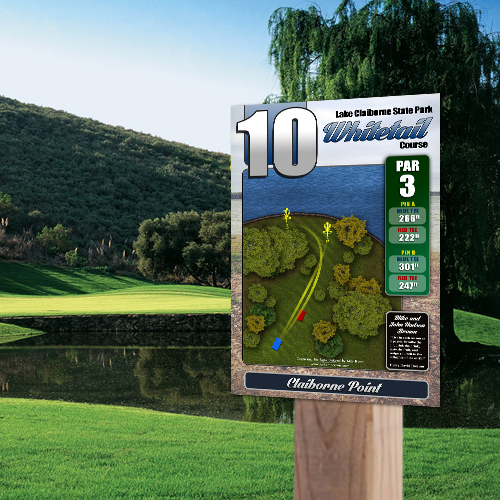
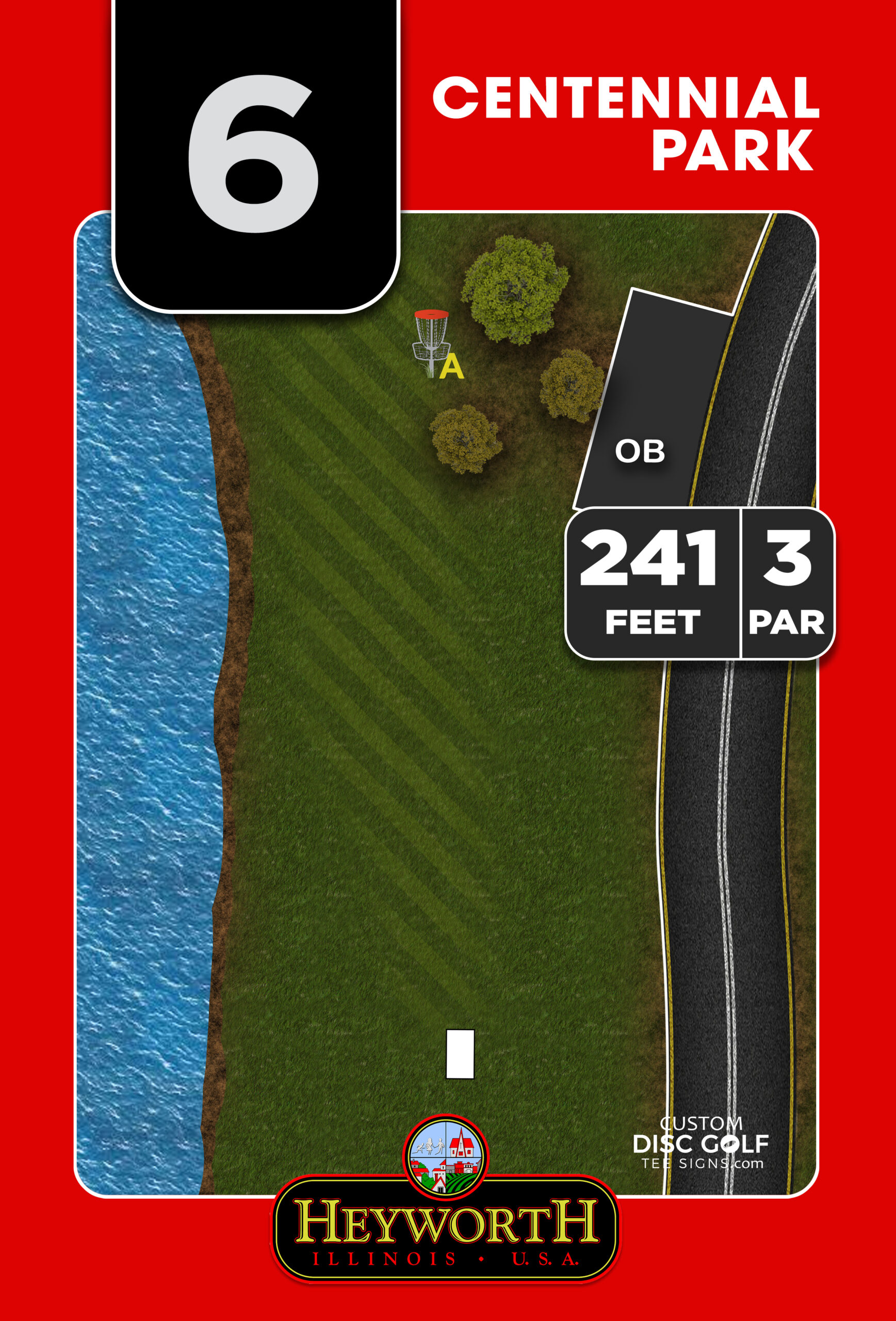
For disc golf courses, visual accuracy matters. Players rely on signs for real decisions on the tee. A polished sign that shows the wrong pin placement or a misleading fairway line does not help the course, no matter how nice it looks.
Keep approvals simple and structured
One of the most common reasons course sign projects stall is too many reviewers giving feedback in different ways. The fix is simple: define your approval process before proofs are circulated.
Decide who has final say on layout, who verifies hole data, and who approves sponsor content. If the parks department must review logos or map language, build that into the timeline early. If the club board wants input, collect it in one round instead of passing proofs around casually for weeks.
The most successful projects move through staged approvals. First approve the overall sign style. Then confirm hole-by-hole information. Then finalize production files. That structure keeps design progress moving without reopening every decision each time a proof changes.
Think beyond printing to installation
A sign project is not organized properly if it ends at production. Installation needs to be planned while the signs are being designed.
Confirm post sizes, mounting methods, hardware needs, and who will handle field installation. Check whether existing posts can be reused or if new structures are needed. Consider sun exposure, mowing patterns, vandalism risk, and how close signs should sit to tee pads for visibility and durability.
This is also where many groups underestimate the value of consistent sign sizing and materials. Standardized production usually makes installation easier and gives the course a more professional look. Fully custom shapes can create a strong visual identity, but they also require more planning. Sometimes they are absolutely worth it. Sometimes a clean rectangular system is the smarter operational choice.
Build a timeline that matches reality
If you are organizing signs around a tournament, grand reopening, or seasonal park schedule, work backward from the date you need installation complete. Then leave room for approvals, design revisions, sponsor collection, production, shipping, and field work.
Volunteer-led projects often take longer than expected because people are fitting them around jobs and other responsibilities. Municipal projects may move slower because of internal approvals. Neither situation is a problem if the timeline is realistic from the start.
Fast turnaround is valuable, but only when your team is ready to respond. The quickest production schedule in the world cannot help if hole data, logos, or approvals are still pending.
What strong project organization looks like
When course sign projects are organized well, the results are obvious. The course feels easier to navigate. The branding is consistent. Sponsors are presented professionally. Installation goes faster because the sign system was planned, not improvised.
Just as important, the process feels controlled instead of chaotic. Decision-makers know what has been approved. Volunteers know what is needed next. Designers are working from accurate information. That is how a sign project becomes a course improvement that players notice immediately.
At Custom Disc Golf Tee Signs, this is why the workflow matters as much as the finished product. Strong materials, full-color custom design, sponsor-ready layouts, and fast shipping all work better when the project itself is organized correctly from day one.
If your course is ready for better signage, treat the project like infrastructure, not decoration. A clear plan upfront saves time, protects your budget, and brings your course to a higher standard in a way players will see on every hole.