What Size Should Tee Signs Be?
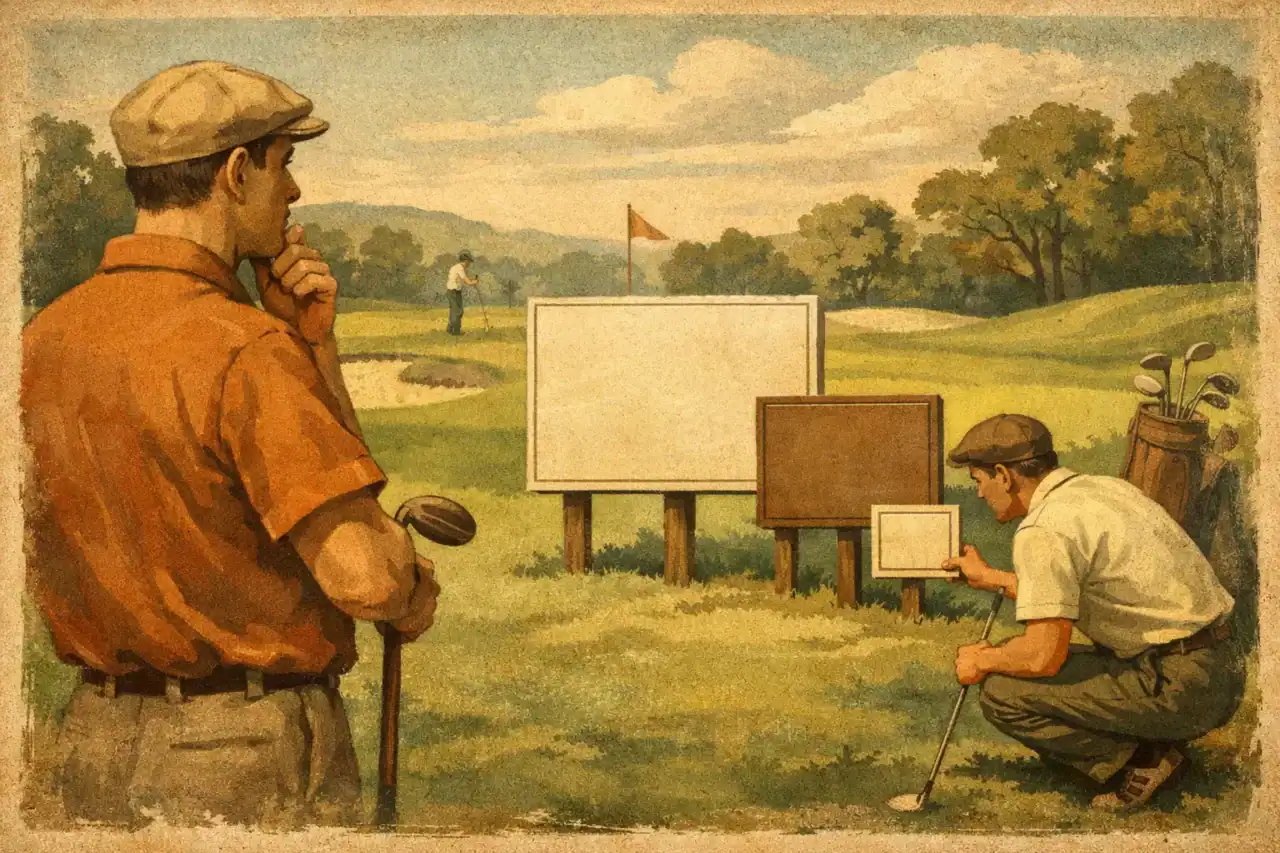
A tee sign that looks fine on a laptop screen can fail completely once it is mounted on a post. Players stand a few feet back, glance quickly, and expect to understand the hole without effort. That is why one of the most common questions course planners ask is what size should tee signs be – because size affects readability, layout quality, sponsor placement, and the overall impression your course makes.
There is no single universal dimension that fits every course. The right answer depends on how much information you need to show, how far players stand from the sign, whether sponsors are included, and what standard you want the course to project. Still, there are reliable size ranges that work well for most disc golf installations.
What size should tee signs be for most courses?
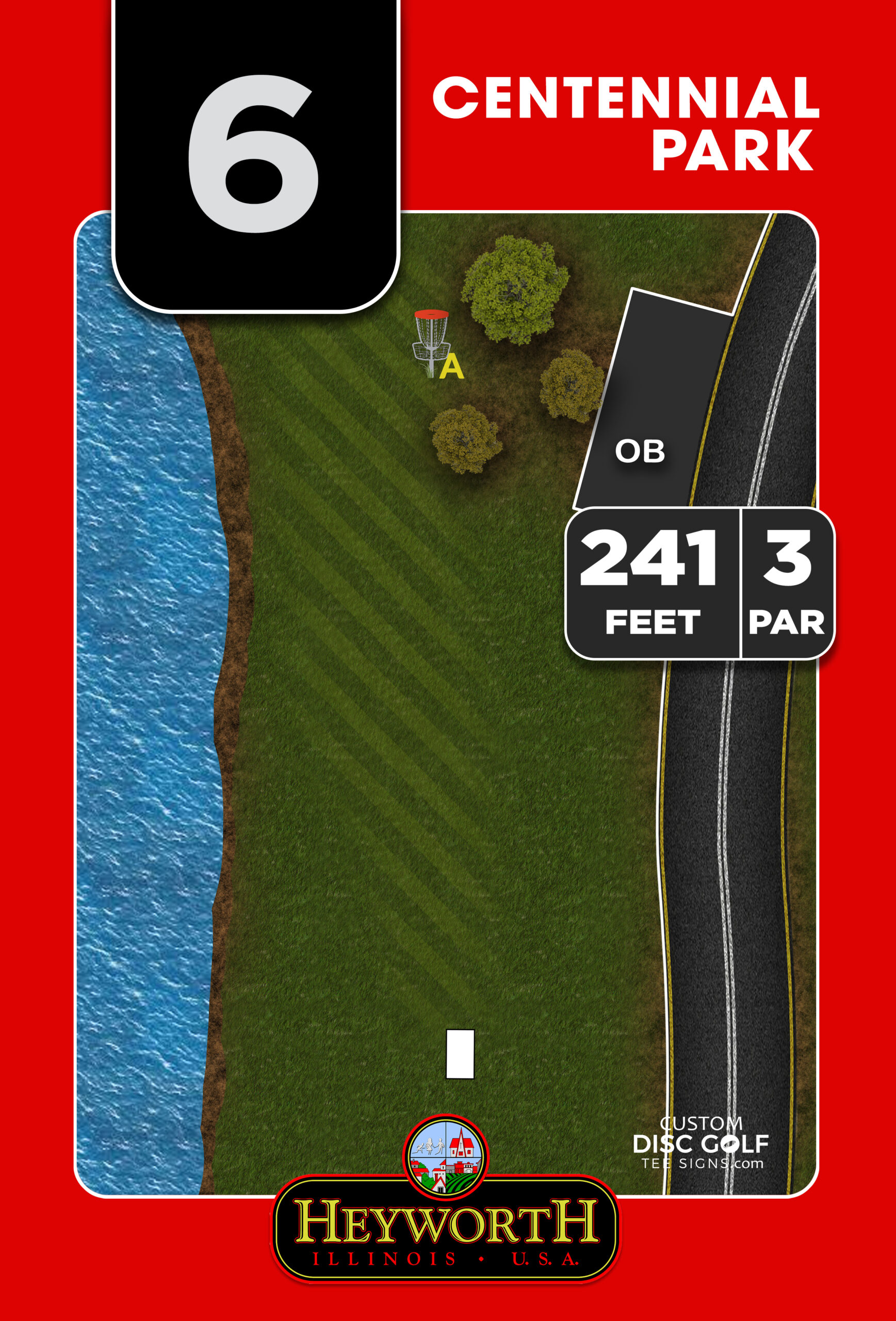
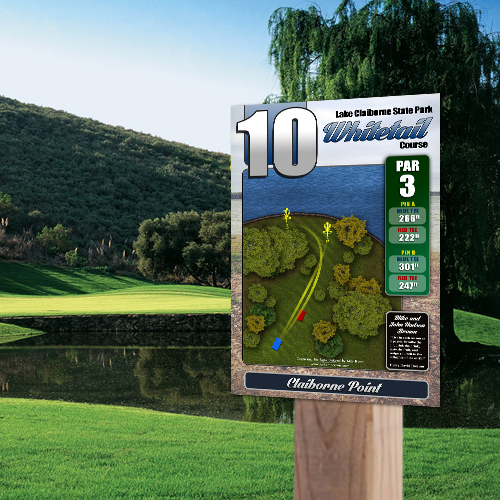
For most courses, tee signs in the 12 inch by 18 inch to 18 inch by 24 inch range offer the best balance of readability, layout flexibility, and cost. Those sizes give you enough room for the core elements players actually use at the tee: hole number, par, distance, clear flight path or hole map, directional cues, and branding.
If your course wants a simple navigation-first sign, 12 inch by 18 inch is often enough. It works well when the design is clean and the content is limited to essentials. This size is common for parks, volunteer-led upgrades, and budget-conscious projects that still want a professional presentation.
If you want a more polished and information-rich result, 18 inch by 24 inch is usually the better choice. It gives the layout room to breathe. Text can be larger, map details can be easier to read, and sponsor logos can be added without crowding the main hole information. For many permanent public courses, this is the most practical standard.
Why tee sign size matters more than people expect
Tee sign size is not just a printing decision. It shapes how the entire course communicates with players. When signs are too small, the map becomes cramped, the distance and par get buried, and the overall look feels like an afterthought. Players spend more time squinting and less time moving confidently through the course.
A properly sized sign improves pace of play and reduces confusion. New players understand where they are going. Tournament players get cleaner hole information. Park departments and club leaders also benefit because the course looks organized, intentional, and maintained.
That visual standard matters. Good signage is one of the fastest ways to raise the perceived quality of a course, especially when baskets, tee pads, and navigation are already in place.
When a smaller tee sign makes sense
Smaller signs are not automatically the wrong choice. In some cases, they are the smartest one.
A basic 9 inch by 12 inch or 12 inch by 18 inch sign can work if the hole is straightforward and the sign only needs to communicate the essentials. Shorter open holes, beginner courses, pitch-and-putt layouts, and temporary or lower-budget installations often do well with a simpler format. If there is minimal elevation change, no major route decisions, and no need for a detailed obstacle diagram, a compact sign may be all you need.
The trade-off is design space. Once you try to include a detailed fairway map, dual tee distances, multiple basket placements, park rules, and sponsors on a smaller panel, readability drops quickly. A small sign only works when the content stays disciplined.
When larger tee signs are worth it
Larger signs are a strong choice when your course needs to communicate more than the basics. Championship layouts, destination courses, heavily wooded holes, and multi-pin or multi-tee configurations usually benefit from more space. An 18 inch by 24 inch sign, and sometimes larger, gives the design room to present the hole clearly without forcing tiny text or compressed maps.
Bigger signs also help when sponsorship is part of the funding plan. Sponsor placement can offset project costs, but only if logos and ad panels are visible and professionally integrated. If the sponsor area feels squeezed into the corner, it does not deliver much value. A larger sign makes it possible to support both player usability and sponsor visibility.
There is a practical limit, though. Oversized signs can become expensive, heavier to mount, and visually excessive on smaller neighborhood courses. Bigger is only better when the information actually needs the space.
The content on the sign should drive the size
A good rule is to choose the sign size after deciding what the sign must accomplish.
If the sign only needs a hole number, distance, par, and a basic arrow, a smaller format is usually enough. If it needs a scaled hole map, hazards, out-of-bounds markings, next tee direction, branding, and sponsor space, you are in larger-sign territory.
This is where many courses make the wrong call. They start with a preferred size before thinking through the layout. The result is often cluttered artwork that technically contains all the information, but does not communicate it well in the field.
A better process is to identify the must-have elements first, then build the sign around readability. Professional disc golf tee sign design is not about squeezing in every possible detail. It is about presenting the right detail in a format players can absorb in seconds.
What size should tee signs be if you want sponsors?
If sponsorship is part of the project, 18 inch by 24 inch is usually the safest starting point. That size gives enough room to preserve the play information while also creating a sponsor area that feels intentional.
Sponsors want to be seen, but players still need the sign to function. A crowded layout helps nobody. With more space, the sponsor panel can be positioned cleanly without competing with the hole map or key stats.
This matters for clubs, municipalities, and Eagle Scout or community improvement projects trying to stretch a budget. Well-designed sponsor integration can make a sign package more financially achievable, but only if the sign dimensions support it from the beginning.
Material and mounting also affect the right size
Sign size cannot be separated from material choice and installation conditions. A larger sign on durable aluminum or aluminum composite can perform very well long term, but the mounting system needs to match. Wind exposure, post style, and sign height all influence how the finished product will hold up.
For example, a modestly sized sign may be perfect for a lightly wooded local course where players approach the tee closely. On a more open or exposed site, a larger panel may still be ideal visually, but it must be installed with hardware and supports that keep it stable and looking sharp over time.
Durability matters just as much as visibility. A tee sign should not just read well on day one. It should continue to perform through sun, weather, routine use, and seasonal wear.
A practical recommendation for most decision-makers
If you are planning permanent tee signs for a public or club-managed disc golf course and want a professional result, start by evaluating 12 inch by 18 inch and 18 inch by 24 inch options.
Choose 12 inch by 18 inch when your course needs a clean, cost-conscious sign with essential information and limited sponsor or map complexity. Choose 18 inch by 24 inch when readability, course branding, detailed layouts, and sponsor integration matter more. For premium installations or custom-shaped signs, the best dimensions may go beyond those standard sizes, but the same principle applies: the artwork needs space to communicate clearly.
At Custom Disc Golf Tee Signs, this is why the design process matters as much as the print itself. The right dimensions come from the course, the content, and the installation goals – not from a one-size-fits-all template.
The best tee sign size is the one players can use instantly
Players do not judge a tee sign by its dimensions alone. They judge it by whether it helps them understand the hole immediately. If they can identify the route, confirm distance and par, spot the basket position, and move to the next tee without hesitation, the sign is doing its job.
That is the real answer to what size should tee signs be. Big enough to be clear, structured enough to stay readable, and durable enough to represent your course well for years. When you choose size based on function instead of guesswork, the entire course feels more finished from the first tee forward.